
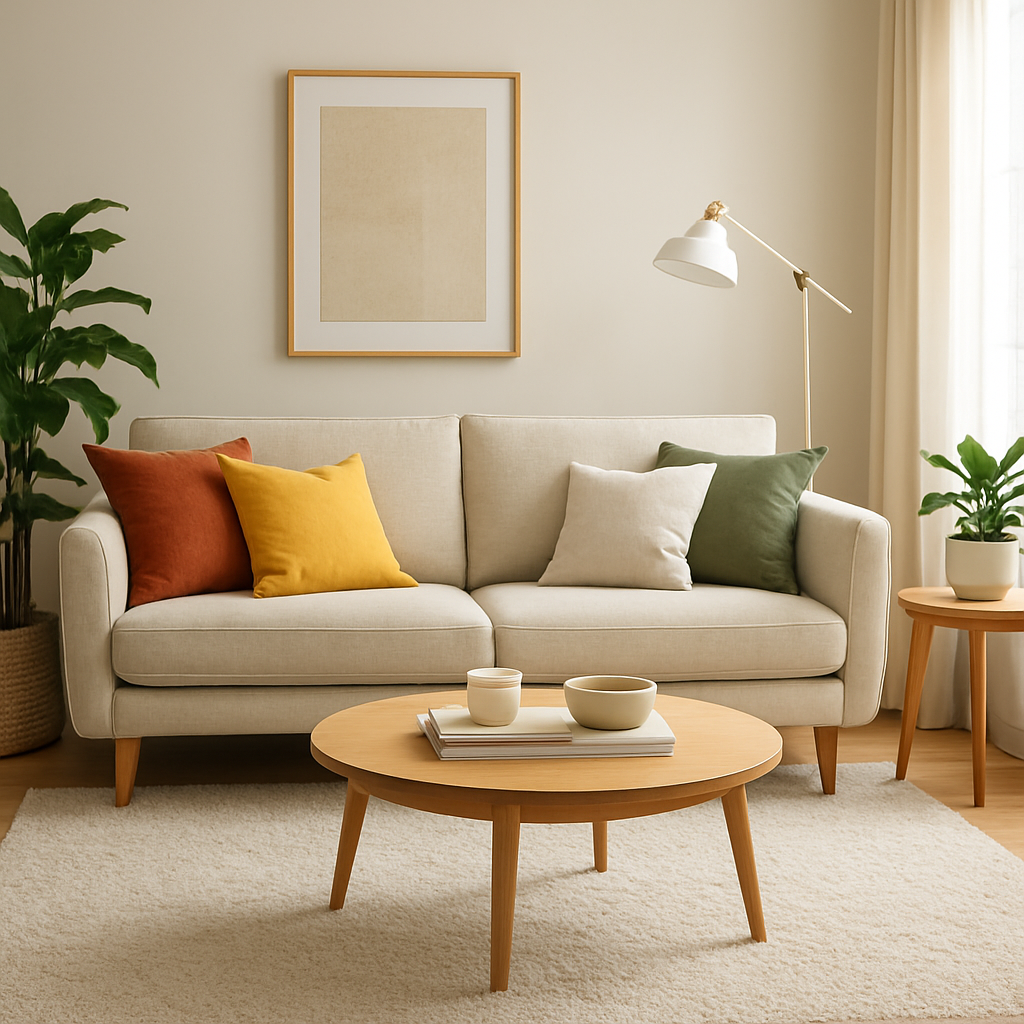
Your living room is often the heart of your home. It’s where you relax, welcome guests, and create memories with family and friends. Because it plays such an important role in daily life, investing in its decoration can completely change how your entire home feels. The good news is: you don’t need to be an interior designer or spend a fortune to make it look stylish, cozy, and inviting. With the right approach, small changes can lead to big transformations.
Below, you’ll discover 10 creative living room decoration ideas that can truly elevate your space. Each suggestion is practical, adaptable to different budgets, and designed to inspire. Let’s dive into the first five ideas!
1. Embrace a Statement Wall
One of the simplest yet most effective ways to change the mood of your living room is by creating a statement wall. Instead of painting all four walls the same color, choose one wall and make it stand out.
- Paint: Bold colors like navy blue, emerald green, or even a soft terracotta can add depth and personality.
- Wallpaper: Patterns such as botanical prints, geometric designs, or textured finishes instantly give your living room a fresh character.
- Wall panels: Wooden slats or 3D panels add texture and sophistication.
The beauty of a statement wall is its flexibility. You can go as subtle or as dramatic as you like, depending on your style. If you’re unsure, start with a muted tone or removable wallpaper—you can always change it later.
2. Layer Your Lighting
Lighting plays a huge role in creating the right atmosphere. Many people rely only on a single overhead light, but that often makes the room feel flat and uninviting. Instead, think in terms of layers of lighting.
- Ambient lighting: This is your main source of light, usually from ceiling fixtures. Opt for warm bulbs to make the room feel cozy.
- Task lighting: Floor lamps or reading lamps near the sofa or armchair are perfect for practical use.
- Accent lighting: Add small table lamps, LED strips behind furniture, or even candles to create ambiance.
The mix of these three types of lighting allows you to adjust the mood depending on the occasion—bright for a family gathering, softer for a movie night, or dim and cozy for a quiet evening.
3. Mix Textures and Fabrics
If you want your living room to feel inviting, texture is key. A room filled only with smooth surfaces like leather, glass, or metal can look cold. On the other hand, incorporating different fabrics and materials makes the space warmer and visually interesting.
Try combining:
- A soft throw blanket on the sofa.
- Velvet or linen pillows in different colors.
- A woven rug or shaggy carpet.
- Natural touches like a wooden coffee table or rattan baskets.
This combination not only adds depth but also makes your living room feel lived-in and cozy, rather than like a showroom.
4. Play with Mirrors
Mirrors are often called a decorator’s secret weapon. Why? Because they make rooms look larger and brighter instantly. If your living room is on the smaller side or doesn’t get much natural light, mirrors are your best friend.
Some ways to use them creatively:
- Place a large mirror opposite a window to reflect light.
- Use a decorative mirror as the focal point above your sofa.
- Group smaller mirrors with unique frames for an artistic gallery effect.
Mirrors also add elegance and can tie together different elements in your room. Just be careful with placement—avoid positioning them where they reflect clutter.
5. Add Greenery and Natural Elements
Plants have the magical ability to breathe life into any room. Beyond their aesthetic appeal, they improve air quality and bring a sense of calm. Whether you choose large indoor plants like a fiddle leaf fig or smaller ones like succulents, they instantly uplift the vibe of your living room.
To style them:
- Use a variety of planters—ceramic, woven baskets, or even hanging pots.
- Mix tall plants with tabletop ones for visual balance.
- If you don’t have a green thumb, high-quality artificial plants can give the same visual effect.
You can also integrate other natural elements, such as stone coasters, wooden trays, or dried flowers, to reinforce a warm, organic touch.
6. Personalize with Wall Art and Décor
A living room should reflect your personality, and wall art is a fantastic way to achieve that. From large paintings to framed photos or even DIY art, the options are endless. What matters is that it feels meaningful to you.
Ideas to try:
- Create a gallery wall with a mix of art prints, family photos, and inspirational quotes.
- Use oversized art pieces for a bold statement.
- Combine shelves with small art pieces, books, and decorative objects.
Don’t be afraid to mix modern and traditional pieces—it often creates an interesting contrast that makes your living room unique.
7. Invest in a Stylish Rug
Rugs are often underestimated, but they can completely transform the feel of a room. They not only anchor your furniture but also add warmth, texture, and color. When choosing a rug:
- Make sure it’s large enough—at least the front legs of your sofa and chairs should sit on it.
- Experiment with patterns—geometric rugs can add modern flair, while Persian or bohemian styles bring coziness.
- Layer rugs for a trendy, eclectic look.
A rug can tie the entire room together, making it feel intentional and well-designed.
8. Experiment with Color Palettes
Color sets the tone for your living room. While neutral palettes like beige, gray, and white are timeless and versatile, adding pops of color creates energy and personality. You can:
- Introduce bold colors through pillows, throws, or art pieces.
- Stick to a monochromatic scheme for a calm, cohesive feel.
- Mix warm and cool tones for balance—like pairing navy blue with warm beige.
The key is consistency. Choose two or three main colors and repeat them throughout your living room for harmony.
9. Make Use of Multifunctional Furniture
In modern homes, especially smaller ones, multifunctional furniture is a game-changer. Pieces that serve more than one purpose help maximize space without sacrificing style.
Examples include:
- A coffee table with storage for books and blankets.
- Ottomans that work as both seating and hidden storage.
- A sofa bed for hosting overnight guests.
This type of furniture is practical and ensures your living room remains clutter-free.
10. Add Layers with Accessories
Finally, the finishing touches matter. Accessories give your living room personality and warmth. Think of them as the jewelry of your home.
Some ideas:
- Throw pillows in different colors and textures.
- Candles for both fragrance and ambiance.
- Books and magazines stacked neatly on a coffee table.
- Decorative trays to organize small items stylishly.
The trick is balance—avoid overcrowding, but don’t leave the space too empty. Aim for that sweet spot where everything looks intentional but still comfortable.
Bringing It All Together
These 10 creative ideas are powerful tools to start transforming your living room. From the use of colors and textures to clever lighting and smart furniture choices, you can create a space that reflects your personality and feels welcoming.
And the beauty of decorating is that there’s always more to explore. Beyond these essential ideas, there are countless practical tips, styling tricks, and subtle adjustments that can take your living room to the next level. Let’s dive even deeper into how you can elevate your space with confidence and creativity.
Taking Your Living Room Décor to the Next Level
Your living room is more than just a place to sit and watch TV. It’s a canvas where style, comfort, and personality meet. In the first part, we explored ten inspiring ideas to refresh and upgrade your space. Now, let’s go deeper. We’ll add layers of practical advice, styling inspiration, and clever tricks to ensure your living room feels both beautiful and functional.
Even if you don’t implement every single tip, the combination of a few will already transform how your home looks and feels. Let’s continue our journey!
The Power of Balance and Symmetry
One secret behind professionally decorated spaces is balance. A living room doesn’t need to be perfectly symmetrical, but a sense of harmony helps it look well thought out.
- Furniture placement: Try to arrange sofas and chairs in a way that encourages conversation. For example, placing two chairs opposite the sofa creates a natural flow.
- Visual weight: If you have a large piece of furniture on one side (like a bookshelf), balance it with artwork, a lamp, or plants on the other.
- Symmetrical accents: Pairs of pillows, matching lamps, or twin chairs can create order without looking stiff.
This approach ensures your living room feels relaxing instead of chaotic.
Creating Zones Within the Room
Modern living rooms often serve multiple functions: watching TV, reading, working, or entertaining. A great way to manage this is by creating zones within the same space.
For example:
- Use a rug to define the seating area.
- Place a small desk near a window for a mini home office.
- Add a reading corner with a cozy armchair and floor lamp.
Even in small living rooms, zones help avoid clutter and make the space more functional.
Curating Accessories Like a Pro
Accessories can either elevate a living room or make it feel messy. The key is curation. Instead of filling every surface with decorations, choose a few pieces that stand out.
Some tips:
- Follow the rule of three—group items in odd numbers for a more natural look.
- Vary heights and textures when arranging objects on a coffee table or shelf.
- Add personal touches: travel souvenirs, framed photos, or handmade crafts.
This balance between stylish items and meaningful pieces makes the room uniquely yours.
Playing with Scale and Proportion
A common decorating mistake is choosing furniture that’s either too big or too small for the room. Getting the scale right makes a huge difference.
- If your living room is small, avoid oversized sofas that overwhelm the space.
- In larger rooms, use bigger rugs, large artwork, and tall plants to fill the space appropriately.
- Mix sizes for contrast: pair a large sectional with a delicate side table or a tall floor lamp with a low sofa.
The interplay of proportions keeps the eye moving and adds sophistication.
Don’t Forget the Ceiling
Many people overlook the ceiling, but it’s often called the “fifth wall.” A little creativity here can add a wow factor.
- Paint: Try a soft pastel shade or even a bold color if your walls are neutral.
- Lighting fixtures: A stylish chandelier or pendant light can become a statement piece.
- Beams or wood panels: Perfect for rustic or cozy vibes.
Even subtle changes, like painting the ceiling slightly lighter than the walls, can make your living room feel taller and brighter.
Blending Old and New
Mixing modern pieces with vintage or traditional elements creates a layered, timeless look. This combination adds personality and avoids a showroom-like feel.
Ideas to try:
- Pair a sleek modern sofa with a vintage coffee table.
- Use antique frames for modern artwork.
- Combine a contemporary rug with a classic armchair.
This balance of old and new feels authentic and stylish, especially if you want your living room to tell a story.
Styling Your Shelves
Bookshelves and open shelving can either look messy or become stunning design features. The secret is styling with intention.
Steps to follow:
- Start with books—arrange them both vertically and horizontally.
- Add decorative objects like vases, sculptures, or candles.
- Mix in plants or small framed photos.
- Leave negative space so shelves don’t look overcrowded.
Treat your shelves like a mini gallery. They should reflect your interests but still look visually pleasing.
Textiles for Warmth and Personality
Textiles are one of the easiest ways to refresh a living room. They’re also budget-friendly and easy to swap with the seasons.
Options include:
- Cushions: Mix colors, shapes, and patterns for variety.
- Throws: A chunky knit blanket adds coziness in winter, while lighter fabrics work well in summer.
- Curtains: Floor-to-ceiling curtains instantly make a room feel taller and more elegant.
Changing textiles is a quick trick if you want your living room to look new without buying major furniture.
Creating a Focal Point
Every great living room has a focal point—the element that draws the eye when you enter. Without one, the room can feel scattered.
Common focal points include:
- A fireplace decorated with art or candles.
- A large piece of artwork above the sofa.
- A media wall with a stylish TV stand and shelving.
- Even a bold rug can serve this purpose.
Once you establish the focal point, arrange furniture and accessories around it to emphasize its importance.
Adding Personality Through Color Psychology
Color influences mood, so choosing the right tones for your living room is essential. Here’s a quick guide:
- Blues and greens: Calm, relaxing, perfect for serene spaces.
- Yellows and oranges: Energizing and cheerful, great for social areas.
- Neutrals: Timeless and versatile, create a sense of balance.
- Dark shades: Add drama and sophistication when used strategically.
Experiment with accent walls, cushions, or decorative items to see how different colors affect the atmosphere.
Small Details, Big Impact
Sometimes, it’s the smallest touches that make the biggest difference. Consider:
- Updating cabinet handles or drawer pulls.
- Swapping old light switches for modern ones.
- Adding a stylish tray to organize remote controls.
These minor updates are inexpensive but instantly refresh the space.
Keeping Functionality in Mind
While decoration is important, your living room should also be practical. Ask yourself:
- Is there enough seating for guests?
- Is the layout comfortable for daily use?
- Do I have enough storage to keep clutter under control?
Combining style with functionality ensures your living room looks good while serving your everyday needs.
Seasonal Updates for Freshness
Your living room doesn’t have to look the same all year. Making small seasonal changes keeps it exciting.
- Spring/Summer: Light fabrics, pastel colors, fresh flowers.
- Fall/Winter: Warm tones, heavy throws, candles, and cozy textures.
This simple habit makes your home feel more in tune with the seasons without requiring major redecorating.
Final Thoughts
Transforming your living room doesn’t require a huge budget or professional expertise. By experimenting with color, texture, lighting, and layout, you can create a space that feels stylish yet personal.
Remember:
- Balance and symmetry make the room feel harmonious.
- Accessories and textiles bring personality.
- Plants, natural elements, and thoughtful lighting make it welcoming.
- Small details and seasonal updates keep it fresh.
Ultimately, the best-decorated living room is the one where you feel comfortable, relaxed, and inspired. Use these ideas as a guide, but always add your personal touch. Your home should tell your story.
Leave a Reply