
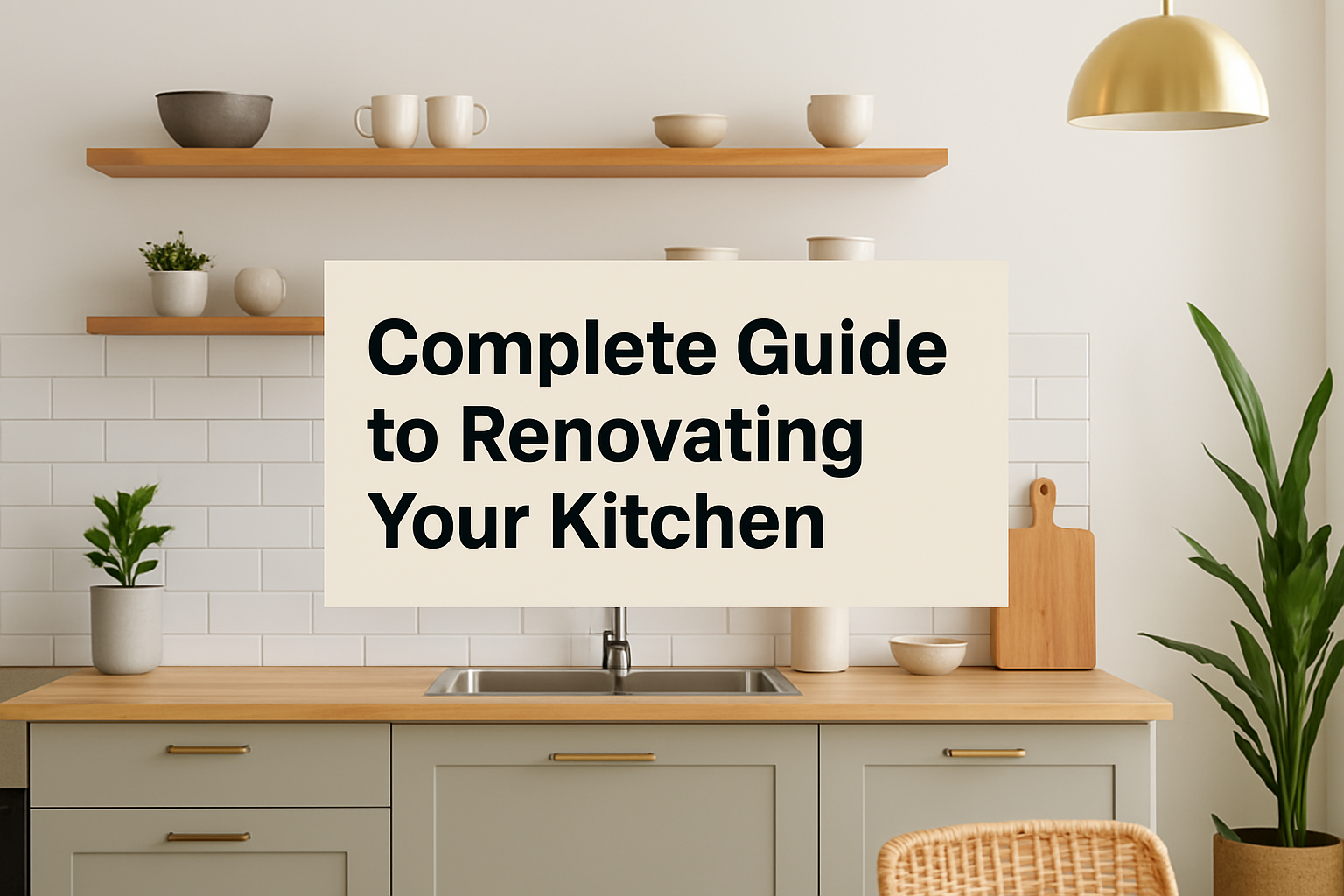
Renovating your kitchen is one of the most exciting yet challenging home projects you can undertake. A kitchen is not only a place where meals are prepared; it is also the heart of family life, a gathering spot, and often a central feature of the entire home. A well-executed renovation can transform your daily living, improve efficiency, and even increase your property’s value.
This comprehensive guide will walk you through the first stages of planning, designing, and executing a successful kitchen renovation. By the end, you will feel confident about taking the first steps toward building the kitchen of your dreams.
Why a Kitchen Renovation Matters
A kitchen is more than cabinets and countertops—it is a space that directly affects your lifestyle. Renovating it can:
- Improve functionality: With better layout and storage, you save time and reduce clutter.
- Boost energy efficiency: Modern appliances and LED lighting lower utility bills.
- Enhance aesthetics: A refreshed look adds beauty and personality to your home.
- Increase resale value: Real estate studies show kitchen upgrades often provide the best return on investment.
When you think of your kitchen as the command center of your home, investing in its improvement feels less like a luxury and more like a smart decision.
Step 1: Define Your Vision
Every renovation begins with a vision. Ask yourself:
- Do you want a modern minimalist kitchen with sleek lines and neutral tones?
- Or a cozy farmhouse kitchen with warm wood, open shelving, and rustic charm?
- Are you seeking a chef-inspired kitchen packed with professional-grade appliances?
Creating a mood board on Pinterest or saving inspirational images can help crystallize your ideas. Write down your priorities—whether it’s more counter space, better lighting, or eco-friendly upgrades.
💡 Tip: Think about how you use the space daily. If you often cook elaborate meals, prioritize appliances and counter space. If you host guests, focus on layout and seating.
Step 2: Budgeting Wisely
Kitchen renovations can be expensive, but a smart budget keeps costs under control. On average, homeowners spend between $15,000 and $50,000, depending on size and finishes.
Break down your budget into categories:
- Cabinets and storage: 30–35%
- Appliances: 15–20%
- Countertops: 10–15%
- Flooring: 10%
- Lighting and electrical: 5–10%
- Plumbing and fixtures: 5–10%
- Unexpected costs: 10–15%
Never skip the contingency fund. Renovations often uncover hidden issues, such as outdated plumbing or wiring.
💡 Tip: If your budget is limited, focus on high-impact changes like countertops, cabinet doors, and lighting, instead of a complete gut renovation.
Step 3: Layout Planning
The layout is the backbone of kitchen design. A poorly planned kitchen, no matter how stylish, will always feel frustrating to use.
Popular Layouts:
- Galley kitchen: Best for small spaces, with counters on both sides.
- L-shaped kitchen: Provides flexibility and efficient use of space.
- U-shaped kitchen: Maximizes storage and countertop area.
- Open-concept kitchen: Combines cooking, dining, and living areas for social households.
The Kitchen Work Triangle
This classic design principle places the sink, stove, and refrigerator in a triangle for maximum efficiency. While modern designs sometimes bend the rules, keeping these elements accessible to each other reduces wasted movement.
💡 Tip: If space allows, consider adding a kitchen island. It not only provides extra storage and prep area but also doubles as a social hub.
Step 4: Choosing Materials
Materials define the look, feel, and durability of your kitchen.
- Cabinets: Solid wood is durable but costly; laminate and MDF are affordable alternatives.
- Countertops: Quartz and granite are popular for durability, while butcher block adds warmth.
- Flooring: Tile is water-resistant; hardwood provides warmth but requires maintenance.
- Backsplash: Subway tiles are timeless, while mosaic glass or patterned ceramic adds flair.
Think of materials as both functional and aesthetic choices. Durable surfaces save headaches in the long run.
💡 Tip: Mix materials for balance—use stone countertops with wooden accents or sleek cabinets with textured backsplash for contrast.
Step 5: Lighting Design
Lighting often gets overlooked, but it makes or breaks the atmosphere and usability of a kitchen.
- Ambient lighting: General illumination, usually from ceiling fixtures.
- Task lighting: Focused light for food prep areas, like under-cabinet LEDs.
- Accent lighting: Decorative touches that highlight design features, such as pendant lights above an island.
Layering these three types ensures your kitchen is both practical and inviting.
💡 Tip: Consider installing dimmer switches for flexibility—bright for cooking, soft for entertaining.
Step 6: Appliances and Fixtures
Appliances can be the biggest expense but also the most rewarding. Stainless steel remains a favorite, but black matte and integrated panel-ready appliances are gaining popularity.
When choosing appliances, balance style with energy efficiency. Look for Energy Star-certified models to reduce long-term costs.
Fixtures like faucets and sinks should also match your overall design. Gooseneck faucets with pull-down sprayers are both functional and stylish.
💡 Hybrid Approach: Many homeowners mix both—DIY cosmetic upgrades, while professionals handle complex tasks.
Step 7: Storage Solutions
A cluttered kitchen can ruin even the most beautiful design. Smart storage solutions are essential:
- Pull-out pantry shelves for easy access.
- Deep drawers for pots and pans.
- Vertical dividers for trays and cutting boards.
- Lazy Susans for corner cabinets.
Custom cabinetry is ideal but costly; semi-custom or modular options can achieve a similar effect at a lower price.
💡 Tip: Don’t forget hidden storage—like toe-kick drawers at the base of cabinets.
Step 8: Selecting Colors and Style
Color is one of the most powerful tools in design. It sets the mood, creates harmony, and influences how spacious or cozy your kitchen feels.
Trending Kitchen Colors for 2025
- Warm Neutrals: Shades like beige, taupe, and cream bring warmth without overwhelming the space.
- Moody Blues and Greens: Deep navy or forest green adds sophistication and pairs beautifully with brass fixtures.
- Soft Pastels: Pale sage, muted blush, and light gray provide a calming backdrop.
- Two-Tone Cabinets: Combining darker lowers with lighter uppers (or a bold island color) creates contrast and visual interest.
When choosing a palette, consider natural light. Dark tones look stunning but may make a small space feel tighter, while light tones open it up.
💡 Tip: Stick to three main colors: a dominant base, a secondary color, and an accent for details.
Step 9: Embracing Sustainability
Modern kitchen renovations often include eco-friendly choices. Not only do they reduce your carbon footprint, but they also cut costs over time.
Eco-Friendly Options
- Recycled Materials: Countertops made from recycled glass or reclaimed wood.
- Energy-Efficient Appliances: Energy Star fridges, dishwashers, and ovens.
- Water-Saving Fixtures: Faucets and dishwashers designed to minimize waste.
- Sustainable Cabinets: FSC-certified wood or bamboo alternatives.
Waste Management During Renovation
Renovations create debris—tiles, wood, packaging. Arrange for recycling or donation of old cabinets and appliances instead of sending them to landfills.
💡 Tip: Even small changes—like swapping halogen bulbs for LED strips—can save money and energy instantly.
Step 10: Renovation Phases
A kitchen renovation usually unfolds in several stages. Knowing what to expect helps reduce stress.
- Planning and Design: Finalize drawings, permits, and purchase materials.
- Demolition: Removal of old cabinets, countertops, and appliances.
- Structural Work: Plumbing, electrical, and ventilation updates.
- Flooring Installation: Best done before cabinets to ensure continuity.
- Cabinets and Countertops: Core of the kitchen design.
- Appliances and Fixtures: Hook-ups and placement.
- Lighting and Paint: Final design touches.
- Finishing Details: Backsplash, trim, and décor.
A small renovation may take 3–6 weeks, while larger projects may stretch to 3–4 months.
💡 Tip: Always have a temporary cooking area prepared—like a microwave and mini-fridge in another room.
Step 11: Common Mistakes to Avoid
Renovations often fail because of poor planning or rushed decisions. Here are key pitfalls to avoid:
- Neglecting Storage: Open shelves look stylish but don’t replace functional cabinetry.
- Poor Lighting: Overlooking task lighting makes cooking frustrating.
- Ignoring Workflow: Placing the fridge far from the prep area wastes time.
- Underestimating Costs: Always expect expenses to exceed initial estimates.
- DIY Overload: Painting cabinets is doable, but electrical or gas work requires professionals.
💡 Tip: Always consult at least three contractors for quotes before hiring.
Step 12: Smart Technology Integration
Today’s kitchens are smarter than ever. Consider upgrading with:
- Smart Refrigerators: Track groceries and suggest recipes.
- Wi-Fi-Enabled Ovens: Preheat remotely.
- Voice-Controlled Lighting: Integrate with Alexa or Google Home.
- Touchless Faucets: Improve hygiene and convenience.
These features may not be essential but add long-term value and modern appeal
Step 13: Personal Touches and Décor
Once the heavy lifting is done, add personality:
- Backsplash Statement: Bold tiles or patterns.
- Decorative Hardware: Unique handles and knobs transform basic cabinets.
- Plants and Greenery: Herbs like basil or mint add freshness.
- Artwork or Open Shelves: Display cookbooks, ceramics, or vintage finds.
Your kitchen should reflect your lifestyle, whether that means a cozy family vibe or a sleek, professional chef’s atmosphere.
Step 14: Final Checklist Before Completion
Before signing off on the project, run through a final checklist:
- All cabinets and drawers open smoothly.
- Appliances are properly installed and functional.
- Plumbing has no leaks.
- Lighting and switches work.
- Surfaces are sealed and protected.
- Permits and inspections (if required) are approved.
💡 Tip: Take photos of wiring and plumbing before walls are closed—you’ll thank yourself later if repairs are needed.
Conclusion: Transforming Your Kitchen
A kitchen renovation is an investment of time, money, and energy, but the rewards are priceless. With careful planning, a realistic budget, and thoughtful design choices, you can create a kitchen that blends functionality with beauty.
Remember:
- Start with a clear vision.
- Avoid common pitfalls.
- Balance DIY with professional help.
- Embrace sustainability where possible.
In the end, your kitchen won’t just be a place to cook—it will be the heart of your home, where family, friends, and memories are created.
Leave a Reply