
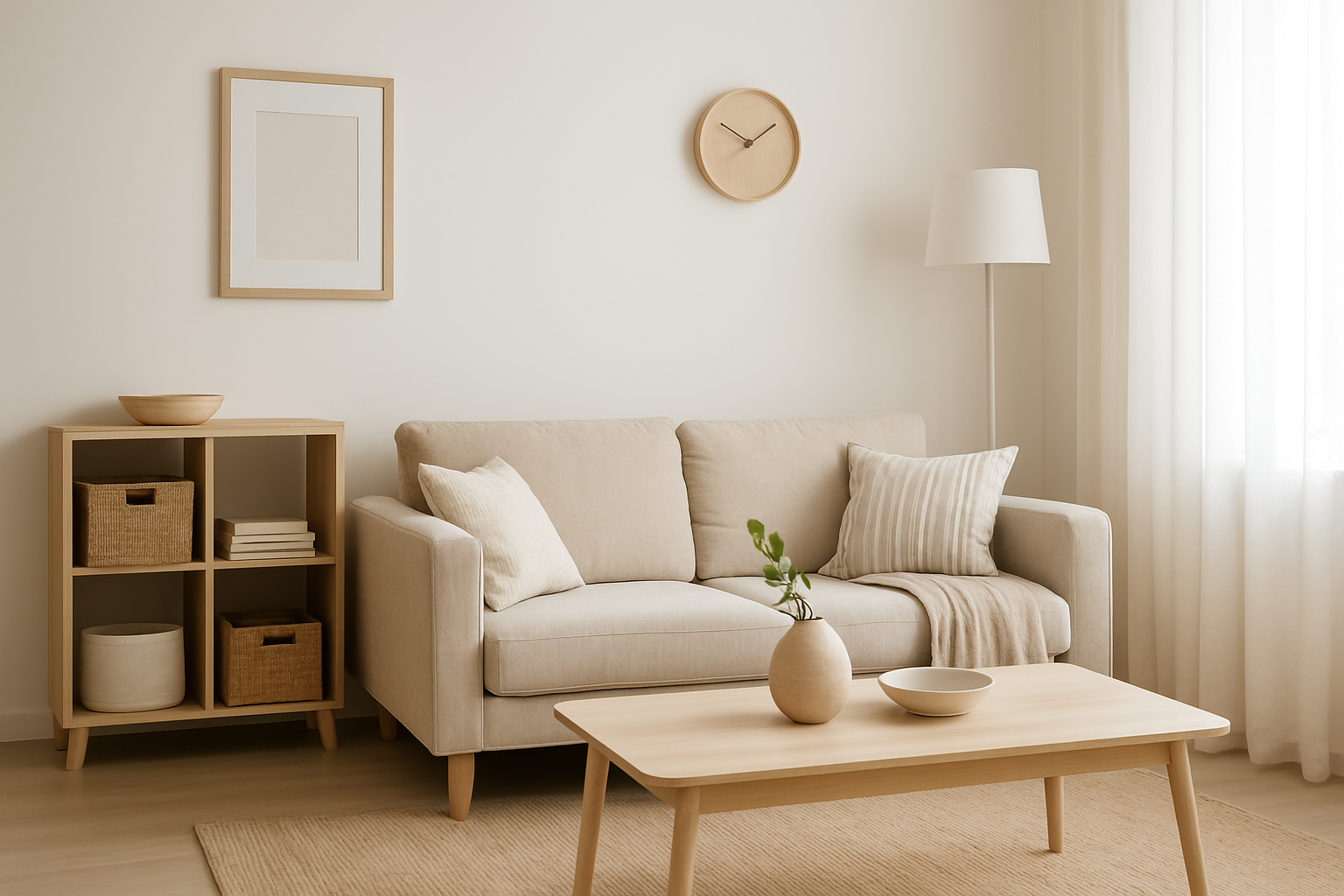
Keeping a home organized may seem like a never-ending challenge, especially when life gets busy with work, family, and unexpected daily tasks. Yet, organization is not just about having a clean space—it is about creating systems that reduce stress, save time, and make your daily routine smoother. With a few clever tricks and habits, you can transform your home into a more efficient and welcoming environment.
In this comprehensive guide, we will explore practical strategies for every area of your home, from the kitchen to the living room, closets, and even the garage. These ideas will not only help you manage clutter but also allow you to enjoy your home as a place of calm, comfort, and productivity.
Why Organization Matters More Than Ever
Nowadays, many people spend more time at home, whether working remotely, caring for children, or simply enjoying leisure moments. A disorganized space can easily translate into mental clutter. Studies in psychology suggest that physical mess often increases feelings of stress and reduces productivity. On the other hand, when your environment is well structured, your mind feels lighter and more capable of handling everyday challenges.
Good organization also:
- Saves time: No more wasting 20 minutes looking for your keys or that missing kitchen tool.
- Reduces waste: When you know what you own, you avoid buying duplicates or letting food expire.
- Improves well-being: A neat environment fosters relaxation and supports healthier habits.
Decluttering: The Foundation of an Organized Home
Before diving into clever tricks, it is essential to address the foundation of organization: decluttering. You cannot organize what you no longer need or what takes up unnecessary space.
Step 1: Start Small
Decluttering does not mean emptying your entire house in one weekend. Begin with one drawer, one cabinet, or a single shelf. This approach keeps the task manageable and motivates you to keep going.
Step 2: The “Keep, Donate, Discard” Method
When sorting items, divide them into three categories:
- Keep – things you use frequently or truly love.
- Donate – items still in good condition but no longer useful to you.
- Discard – broken, expired, or unusable objects.
Step 3: Create a Maintenance Habit
Once you have decluttered a space, establish a rule: one in, one out. For example, if you buy a new piece of clothing, donate or discard one old item. This prevents clutter from creeping back in.
Kitchen Organization: Making Meal Prep Effortless
The kitchen is often the heart of the home, but it can quickly become chaotic with food, utensils, and appliances. Smart organization here saves both time and stress.
Use Clear Containers for Pantry Essentials
Instead of storing food in mismatched packages, transfer them into clear, labeled containers. This not only keeps items fresher but also allows you to see exactly what you have. Grains, cereals, pasta, and snacks stay neat and easy to access.
Group Items by Category
Think of your pantry like a small grocery store. Keep baking supplies together, snacks in one spot, and canned goods in another. When everything has a logical place, it is much easier to find what you need.
Maximize Cabinet Space
- Install shelf risers to create more vertical storage.
- Use lazy Susans for spices, oils, or condiments.
- Hang hooks inside cabinet doors for measuring spoons or pot lids.
Streamline the Refrigerator
Just like the pantry, group food by category: dairy, fruits, vegetables, and leftovers. Place soon-to-expire foods at the front so you use them first. Consider labeling shelves or bins to make the system clear for the whole family.
Living Room Organization: Creating a Relaxing Retreat
The living room is where families gather, guests are entertained, and relaxation takes place. Keeping it organized sets the tone for the entire home.
Multi-Functional Furniture
Choose furniture pieces that offer storage, such as ottomans with hidden compartments, coffee tables with drawers, or sofas with built-in shelves. These discreet storage solutions help keep clutter out of sight.
Control the Paper Trail
Mail, magazines, and school papers often pile up in the living room. Set up a small inbox tray for incoming papers and dedicate a few minutes daily to sort through them. Recycle or file documents right away instead of letting them accumulate.
Manage Electronics and Cables
Tangled wires are both unsightly and frustrating. Use cord organizers or cable boxes to hide them neatly. For remote controls, place a small decorative basket or tray on the coffee table to ensure they are always easy to find.
Bedroom Organization: A Haven of Calm
The bedroom should feel like a peaceful retreat, but clothes, accessories, and daily items often make it messy.
Closet Systems That Work
Instead of cramming clothes into your closet, try:
- Uniform hangers for a streamlined look.
- Shelf dividers for sweaters and bags.
- Clear bins for accessories like scarves or belts.
Seasonal rotation is also helpful—store out-of-season clothes in vacuum-sealed bags under the bed or on top shelves to free up daily space.
Nightstand Essentials Only
A nightstand should not be a dumping ground. Limit it to the basics: lamp, book, alarm clock, or small tray for glasses and jewelry. Adding a drawer or basket below helps keep clutter tucked away.
Bed Storage Solutions
If you lack closet space, make use of the area under your bed. Rolling bins or drawers are perfect for shoes, linens, or seasonal items.
Bathroom Organization: Small Space, Big Impact
Bathrooms are usually small but hold a surprising amount of items. Without proper organization, they easily turn chaotic.
Vertical Storage
- Install shelves above the toilet for towels or baskets.
- Use over-the-door racks for robes or hair tools.
Drawer Dividers
Small items like toothbrushes, hair ties, and cosmetics get lost in drawers. Dividers keep them sorted and easy to find.
Clear Containers for Toiletries
Just like in the kitchen, transparent containers help you see when supplies are running low. Label them for even greater clarity.
Entryway Organization: Controlling Chaos from the Start
The entryway sets the first impression of your home—and often becomes a catch-all for shoes, bags, and coats.
Hooks and Racks
Install sturdy hooks at different heights for coats, backpacks, and hats. A shoe rack or bench with storage underneath keeps footwear organized.
A Drop Zone
Place a small tray or bowl near the door for keys, wallets, and sunglasses. With everything in one spot, you avoid last-minute morning panics.
Seasonal Bins
Have labeled bins or baskets for seasonal items such as gloves, scarves, or umbrellas. Rotate them as the weather changes.
Daily Habits That Keep Order
Organization is not a one-time event—it is about consistent habits that prevent clutter from building up again.
- Five-Minute Tidy: Spend just five minutes every evening putting items back where they belong.
- Reset Before Bed: Clear kitchen counters and living room surfaces before going to sleep. Waking up to a neat home sets a positive tone for the day.
- Family Involvement: Share responsibility by giving each family member age-appropriate tasks. Children can return toys to baskets, while adults manage mail or laundry.
Garage and Storage Areas: Tackling the Toughest Spaces
The garage, basement, or attic often becomes a “dumping ground” for things we don’t use daily. While these spaces are valuable for storage, they can quickly get out of control without a clear system.
Categorize and Zone
Think of your garage as a mini-warehouse. Create zones for different categories:
- Tools and hardware
- Sports equipment
- Gardening supplies
- Seasonal decorations
Label bins and shelves clearly, so every family member knows where items belong.
Vertical and Overhead Storage
To free up floor space, install wall-mounted racks for bikes, ladders, or tools. Overhead ceiling racks are excellent for bulky items like camping gear or holiday boxes that you only need once a year.
Clear Bins Instead of Cardboard
Cardboard boxes wear out, attract pests, and make it impossible to see what’s inside. Clear plastic bins are sturdier, stack neatly, and allow you to find what you need at a glance.
Laundry Room Organization: Making Chores Easier
Laundry can feel endless, but a well-organized laundry area makes the process far more efficient.
Sort Before You Wash
Set up separate hampers for whites, darks, and delicates. This saves time on laundry day and teaches the family to take part in the process.
Wall-Mounted Solutions
Install shelves or cabinets above the washer and dryer for detergents and cleaning supplies. A foldable wall-mounted drying rack is perfect for items that can’t go in the dryer.
Small Accessories in Jars or Baskets
Use glass jars or small baskets for clothespins, dryer sheets, and stain removers. These containers keep everything neat while adding a decorative touch.
Outdoor Spaces: Patios, Balconies, and Gardens
Organization doesn’t stop at the front door. Outdoor areas, whether a small balcony or a large backyard, also benefit from thoughtful systems.
Patio Furniture with Storage
Opt for benches or coffee tables that include hidden storage for cushions, blankets, or garden tools.
Garden Tool Organization
Hang frequently used tools on a wall-mounted pegboard or store them in a tall bucket filled with sand to prevent rusting. Group items by task (planting, pruning, watering) to keep gardening efficient.
Balcony Hacks
For small balconies, use vertical planters and hanging shelves to maximize space without cluttering the floor.
Advanced Space-Saving Tricks
Once the basics are in place, small adjustments can make a huge difference in how spacious and efficient your home feels.
The Power of Vertical Lines
- Use tall bookshelves that reach the ceiling.
- Add hooks and racks behind doors.
- Install magnetic strips in the kitchen or bathroom for knives, scissors, or tweezers.
Folding and Stacking Smarter
In closets and dressers, try the file-folding method (popularized by Marie Kondo). Clothes are folded upright in drawers, making it easier to see and grab items without creating a mess.
Hidden Storage Spots
- The back of cabinet doors for spices, foil, or cleaning supplies.
- Under the stairs for built-in cabinets.
- Inside ottomans or footstools for blankets and toys.
Digital and Paper Organization
Home organization is not only about physical objects—it also extends to paperwork and digital clutter.
Paperwork Made Simple
- Go paperless whenever possible with online billing.
- Keep a small filing system at home with categories like “Taxes,” “Medical,” “School,” and “Household.”
- Use a shredder for sensitive documents you no longer need.
Digital Declutter
Just like your home, your computer and phone deserve organization:
- Delete unused apps.
- Sort photos into folders or use cloud storage.
- Create a simple system for work documents so you don’t waste time searching.
Building Routines That Stick
True home organization is less about one-time projects and more about building habits that maintain order effortlessly.
Morning and Evening Check-Ins
- In the morning: make the bed, clear breakfast dishes, and tidy the entryway.
- In the evening: reset the kitchen, fold blankets in the living room, and put away clothes.
Weekly Maintenance
Dedicate a short weekly session—perhaps on Sunday evening—to check pantries, clean out the fridge, and reset high-traffic areas.
Family Teamwork
When everyone participates, organization becomes less of a burden. Assign children small responsibilities, like returning toys to bins or helping set the table, so that tidying becomes a natural part of life.
The Psychological Benefits of an Organized Home
Beyond saving time and space, home organization has deeper emotional and mental effects. People often report that an orderly home:
- Creates a sense of control in stressful times.
- Encourages better focus and productivity when working from home.
- Improves sleep quality when the bedroom is calm and clutter-free.
- Strengthens family harmony, since fewer arguments arise about lost items or messy rooms.
Long-Term Maintenance: Turning Tricks into Lifestyle
Organization is not a finish line; it’s a lifestyle. The real key is consistency. By applying these strategies and practicing small habits daily, you ensure that clutter never takes control again.
The “10-Minute Reset” Rule
Whenever a space starts feeling overwhelming, commit to just 10 minutes of tidying. Often, you’ll accomplish far more in that short time than you expected.
Periodic Decluttering
Twice a year—perhaps in spring and before the holidays—do a bigger decluttering session. This prevents hidden buildup and keeps your home light and functional.
Celebrate Your Progress
Remember that perfection is not the goal. An organized home is not one that looks like a magazine, but one that supports your routine, makes life easier, and feels welcoming.
Conclusion: A Home That Works for You
Organizing your home is less about rigid rules and more about designing systems that fit your lifestyle. By starting small, being consistent, and applying clever tricks, you create a living space that feels calmer, more efficient, and truly enjoyable.
Whether it’s decluttering your kitchen, setting up smart storage in the garage, or simply practicing daily reset habits, every small step contributes to a greater sense of harmony. Over time, these efforts free up not just space in your home, but also time and energy for the things you love most.
Your home should work for you, not against you—and with the right organization strategies, it absolutely can.
Leave a Reply