
Introduction
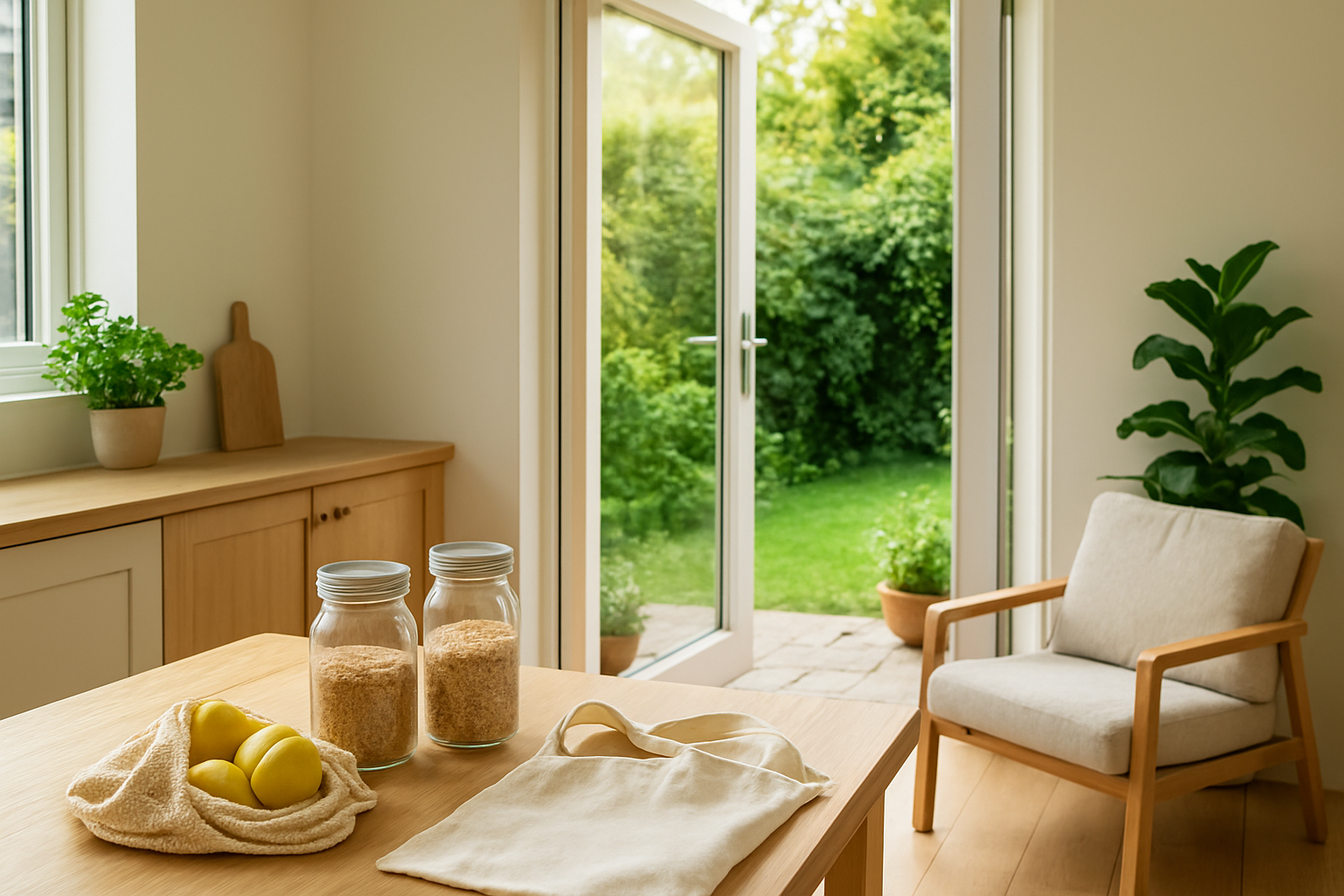
Living a more sustainable life may seem overwhelming at first, but the truth is that eco-friendly habits can be woven naturally into everyday routines. From the way you design your home to the choices you make in the kitchen, small and intentional steps create lasting impacts. This guide explores practical, creative, and achievable ideas to transform your home into a greener, healthier, and more efficient space — without requiring a complete lifestyle overhaul.
Rethinking Energy Consumption
1. Light That Works Smarter
Traditional incandescent bulbs consume far more energy than needed. By switching to LED lighting, you can cut energy use by up to 75%. Beyond efficiency, LEDs offer versatility: they come in warm tones for cozy living rooms and cool tones for task-oriented spaces like kitchens.
Pair your lighting with smart timers and motion sensors. This ensures lights aren’t left on unnecessarily, while still keeping spaces functional and safe.
2. Insulation and Temperature Control
One of the largest sources of wasted energy is poor insulation. Seal gaps around windows and doors, use weatherstripping, and consider adding thermal curtains. These adjustments keep your home warmer in winter and cooler in summer, reducing reliance on HVAC systems.
Ceiling fans also support energy efficiency. By reversing their direction seasonally, you circulate warm air downward in winter and create a cooling breeze in summer.
Sustainable Kitchen Practices
1. Conscious Food Storage
Plastic containers may be convenient, but they contribute heavily to waste. Transition to glass jars, stainless steel lunch boxes, and silicone lids. They last longer, are healthier, and reduce plastic dependency.
2. Waste Reduction with Composting
Food scraps make up a huge portion of household waste. Composting is a simple solution that turns leftovers into nutrient-rich soil. A small compost bin fits neatly under the sink or balcony, making it possible even in apartments.
3. Smarter Grocery Shopping
Plan meals for the week, create a shopping list, and stick to it. This not only reduces impulse purchases but also minimizes food waste. Buying in bulk, especially pantry staples like rice, beans, or pasta, cuts down on excess packaging.
Cleaning the Green Way
1. Natural Cleaning Products
Commercial cleaning supplies often contain chemicals harmful to both health and the environment. Vinegar, baking soda, lemon juice, and castile soap are powerful, affordable, and eco-friendly alternatives.
- Vinegar works as a disinfectant and glass cleaner.
- Baking soda removes stains and deodorizes carpets.
- Lemon juice cuts grease and leaves a fresh scent.
2. Microfiber and Reusable Cloths
Instead of paper towels, switch to microfiber cloths or cotton rags. They last through hundreds of washes and provide excellent cleaning power without waste.
3. Air Quality Matters
Scented candles and sprays may smell pleasant but often release toxins. Choose soy or beeswax candles, or use essential oil diffusers for a healthier home atmosphere.
Water-Saving Solutions
1. Smarter Fixtures
Install low-flow faucets, showerheads, and dual-flush toilets. These upgrades drastically reduce water consumption without sacrificing comfort.
2. Collecting and Reusing Water
For outdoor spaces, rain barrels provide free water for gardening. Indoors, consider reusing water from rinsing vegetables to water houseplants.
3. Mindful Habits
Simple changes like turning off the tap while brushing teeth or shaving can save liters of water daily. Multiply this by a year, and the impact is substantial.
Eco-Friendly Living Room & Small Spaces
1. Furniture That Lasts
Invest in quality, durable furniture rather than disposable pieces. Choose items made from reclaimed wood, bamboo, or recycled metal. While they may cost more upfront, their longevity makes them sustainable in the long run.
2. Second-Hand and Vintage Finds
Thrift stores, flea markets, and online resale platforms are gold mines for sustainable décor. Each piece adds unique character to your home while reducing demand for mass production.
3. Plants as Décor and Air Purifiers
Adding greenery does more than beautify your home. Plants like snake plants, spider plants, and peace lilies naturally filter toxins and improve indoor air quality.
Transition Into the Second Half
By now, you’ve seen how energy efficiency, eco-friendly kitchens, natural cleaning, water-saving habits, and sustainable living spaces can transform your home. Yet, sustainable living goes beyond physical surroundings — it’s about adopting a mindset that influences everything from shopping habits to community involvement. Let’s continue by diving deeper into lifestyle choices and advanced strategies that truly integrate sustainability into daily life.
Deepening Your Commitment to Green Living
Sustainable Shopping and Consumption
1. Buy Less, Choose Well
The most eco-friendly product is the one you don’t buy. Practice mindful shopping by asking: Do I need this? Can I borrow or repurpose instead? When purchases are necessary, prioritize durability and ethical production.
2. Support Local and Ethical Brands
Purchasing from local artisans and small businesses not only reduces shipping emissions but also strengthens community economies. Look for certifications such as Fair Trade or B Corp to ensure brands meet ethical standards.
3. Minimalism as a Lifestyle
Minimalism isn’t about bare walls and empty shelves; it’s about intentional living. By owning fewer, higher-quality items, you reduce clutter, simplify cleaning, and avoid unnecessary consumption.
Greener Transportation Choices
1. Walking and Cycling
Whenever possible, choose walking or cycling for short distances. It reduces emissions, saves money, and improves health.
2. Public Transport and Carpooling
Public transit or ridesharing drastically lowers the number of cars on the road, cutting carbon footprints while reducing traffic congestion.
3. Electric and Hybrid Cars
For those needing personal vehicles, transitioning to electric or hybrid cars is a powerful way to reduce long-term emissions. Coupled with renewable energy at home, this becomes a highly sustainable choice.
The Role of Technology in Sustainability
1. Smart Home Devices
Smart thermostats, plugs, and appliances allow you to monitor and reduce energy usage. For example, a smart thermostat learns your schedule and adjusts heating or cooling automatically to save energy.
2. Monitoring Consumption
Apps and home systems can track electricity, water, and waste. Seeing real numbers helps identify patterns and motivates more sustainable choices.
Gardening for a Greener Home
1. Growing Your Own Food
Even a small balcony garden can yield herbs like basil, mint, or rosemary. Container gardens work well for tomatoes, peppers, or leafy greens, cutting down grocery bills while ensuring fresh, organic produce.
2. Pollinator-Friendly Spaces
Planting flowers like lavender, sunflowers, or wildflowers attracts bees and butterflies, supporting biodiversity. Avoid pesticides, as they harm pollinators essential for ecosystems.
3. Compost Integration
Integrate your compost into the garden to enrich soil naturally. This creates a complete cycle of food use and waste reduction.
Sustainable Habits in Daily Life
1. Reducing Single-Use Plastics
Carry a reusable water bottle, coffee cup, and shopping bag. These simple items prevent hundreds of disposables from entering landfills each year.
2. Clothing and Fashion Choices
Fast fashion has a massive environmental footprint. Opt for second-hand clothing, swap with friends, or invest in timeless, durable pieces made from organic or recycled fabrics.
3. Digital Declutter
Sustainability isn’t just physical. Reducing cloud storage usage, unsubscribing from unnecessary newsletters, and limiting digital consumption lowers energy demands from data centers.
Community and Shared Responsibility
1. Neighborhood Initiatives
Joining or starting community gardens, swap events, or recycling programs spreads sustainability beyond individual households.
2. Advocacy and Education
Share eco-friendly practices with friends, family, or through social media. Awareness creates ripple effects that influence larger groups.
3. Volunteering and Activism
Support local environmental organizations or participate in clean-up drives. Collective action magnifies impact far more than individual effort.
Conclusion
Green living is not about perfection but progress. Every decision — from choosing LED bulbs to starting a compost bin or riding a bike to work — adds up over time. By making eco-friendly ideas part of your home and lifestyle, you create a positive impact on both the environment and your well-being.
Start small, stay consistent, and let sustainability become second nature. In doing so, your home becomes more than a place to live; it becomes a living example of care, responsibility, and inspiration for a greener future.
Leave a Reply