
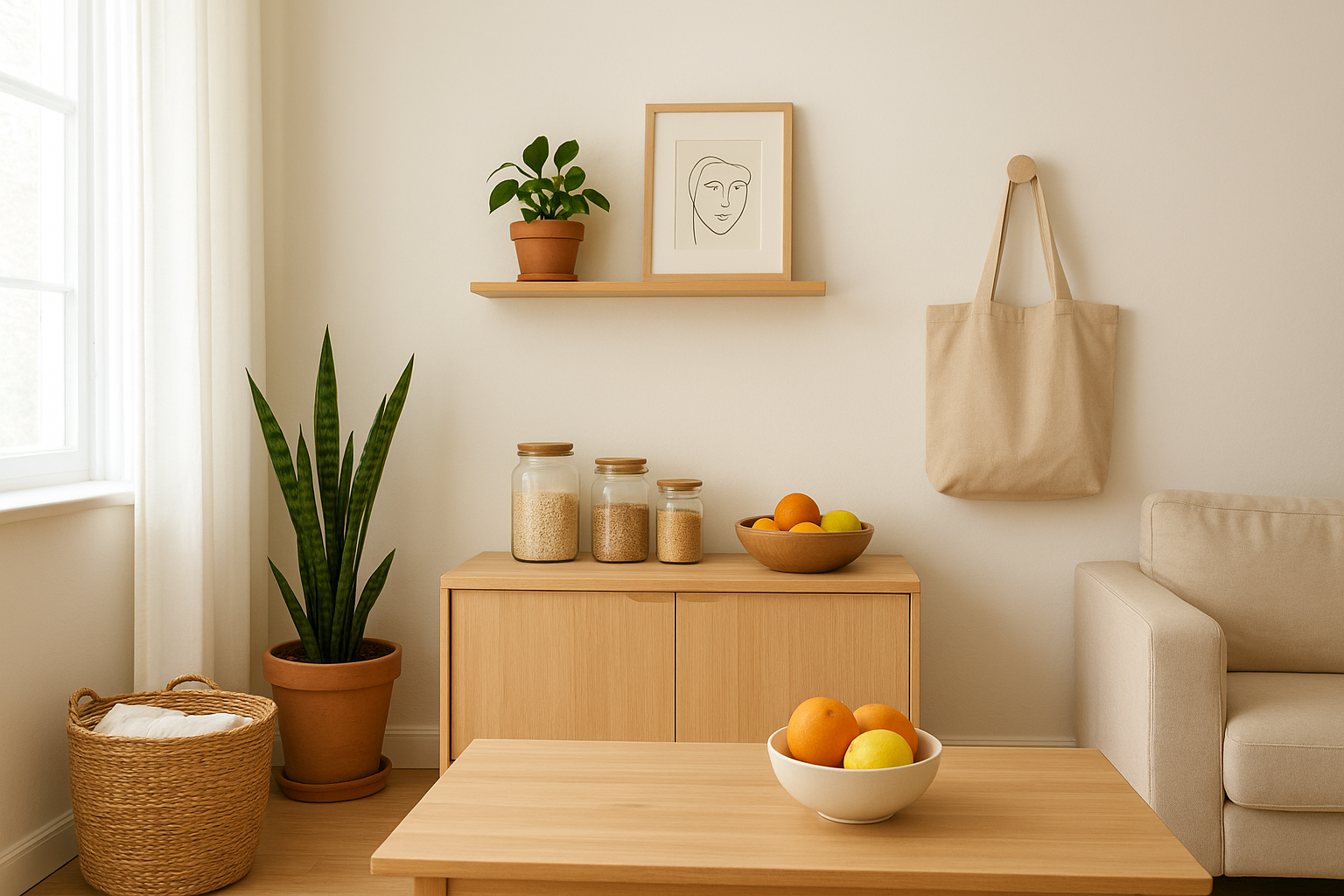
Introduction: Why Zero-Waste Matters
Every day, the average household generates a surprising amount of waste—from food packaging and disposable cleaning supplies to single-use bathroom products. While recycling is often seen as the solution, the truth is that much of what we throw away never actually gets recycled. That’s where the zero-waste lifestyle comes in: a practical, intentional approach to reducing waste at the source and choosing smarter, more sustainable alternatives.
But here’s the key: going zero-waste does not mean perfection. You don’t have to fit a year’s worth of trash into a glass jar or buy expensive eco-friendly gadgets to make a difference. Instead, it’s about adopting small, realistic changes in everyday life that add up to meaningful impact. The goal is not stress, but progress.
In this first part of the guide, we’ll explore how to embrace zero-waste living in the most essential areas of the home—starting with the kitchen, then moving to cleaning routines and the bathroom. Each section is packed with simple swaps and practical ideas you can start implementing today.
Understanding the Zero-Waste Mindset
Before diving into room-by-room tips, it’s helpful to understand what zero-waste really means.
At its core, the zero-waste philosophy is built on five principles, often called the “5 Rs”:
- Refuse what you don’t need (like free promotional items or unnecessary packaging).
- Reduce what you do use (simplify purchases, avoid duplicates).
- Reuse as much as possible (repair, repurpose, and choose durable goods).
- Recycle what you can’t refuse, reduce, or reuse (and do it correctly).
- Rot organic waste through composting.
This mindset is not about deprivation—it’s about creativity, resourcefulness, and conscious choices. When applied to daily routines, it can transform the way you shop, cook, clean, and care for yourself, all while saving money and reducing clutter.
Kitchen: Practical Zero-Waste Swaps
The kitchen is often the biggest source of household waste, especially from packaging, food scraps, and single-use items. Fortunately, it’s also the best place to start making changes that really add up.
Food Shopping Without the Waste
- Bring your own bags and containers: Instead of relying on plastic produce bags or disposable packaging, use reusable produce bags, glass jars, or stainless-steel containers. Many bulk stores now allow you to fill your own containers with grains, nuts, or spices.
- Choose items with less packaging: Buy fresh produce loose instead of wrapped, and opt for larger sizes of pantry staples rather than single-serve packs.
- Support local markets: Farmers’ markets often use less packaging and allow direct interaction with producers, which means fresher food and fewer wasteful materials.
Smarter Food Storage
- Ditch plastic wrap: Beeswax wraps, silicone lids, or simple glass containers can replace cling film. They keep food fresh without the plastic waste.
- Glass jars as heroes: Save old jars from sauces or jams—they’re perfect for storing leftovers, dry goods, or even homemade condiments.
- Freeze strategically: Freezing extra portions in reusable containers reduces food waste and saves cooking time later.
Cooking Habits That Cut Waste
- Use the whole ingredient: Carrot tops can be turned into pesto, broccoli stems into soups, and bones or vegetable scraps into flavorful stocks.
- Plan meals ahead: A weekly meal plan minimizes impulse buys and ensures ingredients are fully used.
- Get creative with leftovers: Yesterday’s roast veggies can become today’s salad topping or soup base.
By transforming your kitchen into a zero-waste hub, you not only reduce trash but also save money and discover a new appreciation for mindful cooking.
Cleaning: Natural and Reusable Alternatives
Most conventional cleaning products come in plastic bottles, contain harsh chemicals, and are designed for single use. Switching to zero-waste cleaning not only benefits the environment but also creates a healthier home.
Simplify Your Cleaning Supplies
Instead of buying dozens of specialized cleaners, embrace multipurpose natural ingredients:
- Baking soda works as a gentle scrub for sinks and stovetops.
- Vinegar is an excellent disinfectant and glass cleaner.
- Castile soap can be diluted to wash almost any surface.
- Essential oils like lemon or tea tree add antibacterial properties and a fresh scent.
A few core ingredients can replace a cabinet full of plastic bottles.
Reusable Tools for Everyday Cleaning
- Cloths over paper towels: Old cotton shirts or microfiber cloths can be washed and reused, cutting down on disposable paper waste.
- Compostable sponges and brushes: Natural loofahs or wooden scrub brushes are biodegradable alternatives to synthetic sponges.
- Mop with washable pads: Many modern mops have removable microfiber heads that can be tossed in the laundry instead of thrown away.
DIY Cleaning Recipes
Making your own cleaners is surprisingly easy. For example:
- All-purpose spray: Mix 1 part vinegar with 3 parts water and a few drops of essential oil.
- Scouring paste: Combine baking soda with a little water to form a paste for stubborn stains.
By embracing simple, reusable, and homemade solutions, your cleaning routine becomes cheaper, healthier, and truly waste-free.
Bathroom: Eco-Friendly Swaps and Routines
The bathroom might be small, but it’s another hotspot for waste—think disposable razors, plastic bottles, and endless cotton pads. Transitioning to zero-waste options here is easier than it seems.
Personal Care Products
- Soap bars instead of liquid bottles: Choose package-free bar soap for body, face, and even shampoo. Conditioner bars are also widely available.
- Refill stations: Some stores now offer refillable shampoo, lotion, or toothpaste options—bring your own container and skip the plastic.
- DIY skincare: Simple ingredients like coconut oil, aloe vera, or oatmeal can replace store-bought products with multiple uses.
Sustainable Hygiene Choices
- Reusable razors: A stainless-steel safety razor lasts for years and only requires inexpensive blade replacements.
- Menstrual products: Menstrual cups, period underwear, or cloth pads reduce waste dramatically compared to disposables.
- Bamboo toothbrushes: An easy swap that replaces plastic with a compostable handle.
Daily Routines Without Stress
- Limit water waste: Shorter showers and turning off the tap while brushing teeth save both water and energy.
- Organize products: Keep only what you truly use—minimalism reduces clutter and waste.
- Compost the compostable: Hair, nail clippings, and even some paper-based hygiene items can be composted rather than trashed.
By shifting your bathroom habits, you’ll notice less trash, cleaner spaces, and more intentional routines.
Clothing and Wardrobe: Building Sustainable Fashion Habits
When people think of waste, they often picture overflowing kitchen bins or piles of packaging. But clothing is another major contributor to the global waste problem. Fast fashion encourages constant buying and quick disposal, leading to mountains of textile waste each year. The good news is that adopting a zero-waste mindset in your wardrobe is not only eco-friendly but also stylish and cost-effective.
Choose Quality Over Quantity
Instead of filling your closet with trendy, low-quality items that fall apart after a season, focus on durable, timeless pieces. High-quality clothing lasts longer, can be repaired, and usually looks better over time. Think classic jeans, versatile jackets, and neutral shirts that can be mixed and matched.
Repair and Repurpose
Learning basic sewing skills, like stitching a torn seam or replacing a button, can extend the life of your clothes by years. Old T-shirts can be cut into cleaning cloths, and worn-out jeans can be turned into shorts or tote bags. Creativity in repurposing prevents textiles from ending up in landfills.
Embrace Second-Hand Shopping
Thrift stores, vintage shops, and clothing swaps are treasure troves of unique fashion finds. Buying second-hand reduces demand for new production and gives garments a second life. Online resale platforms also make it easier to find affordable, stylish pieces without contributing to fast fashion waste.
Eco-Friendly Laundry Practices
Even how you wash your clothes matters. Washing in cold water saves energy, and air-drying instead of using a dryer reduces electricity use while being gentler on fabrics. Using a microfiber-catching laundry bag also helps prevent microplastics from synthetic fabrics entering waterways.
Office and Digital Declutter: Reducing Waste Beyond the Physical
Zero-waste living is not just about physical items—it also extends to how we manage our workspaces and digital lives. Clutter, whether on a desk or on a computer, often leads to wasted time, stress, and unnecessary consumption.
A Minimalist Workspace
Keeping a tidy, organized workspace helps reduce the temptation to buy unnecessary supplies. Instead of disposable pens and sticky notes, try refillable pens, digital note-taking apps, or reusable whiteboards. A clutter-free desk promotes focus and creativity while cutting down on waste.
Digital Waste Matters Too
While we don’t see it, the digital world has an environmental impact. Every email stored, file duplicated, or unused app requires energy to maintain servers. Decluttering your digital life by deleting unused files, unsubscribing from spam emails, and organizing cloud storage reduces your digital footprint.
Go Paperless When Possible
Opt for digital bills, receipts, and documents instead of printing. If printing is unavoidable, choose recycled paper and print double-sided. By shifting toward digital systems, households and offices can save enormous amounts of paper over time.
Outdoor and Gardening Practices
A zero-waste lifestyle naturally extends outdoors, where small habits can foster both sustainability and connection with nature.
Composting Made Simple
Composting is one of the most effective ways to reduce household waste. Food scraps, coffee grounds, and yard clippings can all be turned into nutrient-rich soil for gardens. Even if you don’t have a backyard, many cities offer community composting programs or curbside pickup.
Grow Your Own Food
Planting herbs, vegetables, or fruit trees at home reduces reliance on packaged produce and cuts down food miles. Container gardens work well for small spaces, and vertical gardening is ideal for apartments. Fresh, homegrown food not only reduces waste but also promotes healthier eating.
Eco-Friendly Outdoor Habits
Skip single-use items like disposable plates and plastic cutlery when hosting picnics or barbecues. Instead, invest in reusable outdoor dining sets. Collect rainwater for watering plants, and choose native plants that require less water and care. Small outdoor changes can have a big environmental impact.
Community and Collective Responsibility
While individual choices matter, zero-waste living becomes truly powerful when communities embrace it together.
Sharing Resources
Community tool libraries, seed swaps, and clothing exchanges reduce the need for everyone to own everything individually. Borrowing instead of buying cuts waste while strengthening local connections.
Supporting Local Businesses
Local shops, farmers’ markets, and sustainable brands often use less packaging and have smaller supply chains. Choosing to support them not only reduces waste but also strengthens the local economy.
Advocating for Change
Encouraging schools, workplaces, and local governments to adopt zero-waste practices creates ripple effects that go beyond individual households. From banning single-use plastics to improving recycling programs, community action drives long-term change.
A Step-by-Step Roadmap to Start a Zero-Waste Lifestyle
Shifting to a zero-waste lifestyle may seem overwhelming at first, but breaking it down into manageable steps makes it achievable.
- Start small: Choose one area of your home—like replacing plastic bags with reusables in the kitchen—and build from there.
- Set realistic goals: Aim to reduce a specific type of waste, such as paper towels, before moving on to bigger changes.
- Track your progress: Notice what’s in your trash bin each week. This helps identify the biggest waste sources and where swaps will have the most impact.
- Celebrate wins: Every reusable item or waste-free habit counts. Recognize progress instead of chasing perfection.
- Keep learning: Follow zero-waste blogs, join local sustainability groups, or read books on eco-living for fresh inspiration.
The journey is ongoing, but even small changes build momentum and create meaningful environmental benefits.
Conclusion: Zero-Waste Without Stress
Living a zero-waste lifestyle is less about perfection and more about intention. Every reusable bag carried, every repair made, and every plastic-free swap chosen adds up to real impact over time. By starting in the kitchen, extending into cleaning and bathroom routines, and then exploring wardrobe, digital, and community habits, the shift feels gradual and manageable.
Zero-waste is not about giving up comfort—it’s about creating smarter habits that benefit both you and the planet. With each step, you’ll find yourself living more consciously, saving money, and enjoying a home that feels simpler, healthier, and more aligned with your values.
In the end, the goal is not to eliminate every single piece of trash but to cultivate a lifestyle that generates less waste and more purpose. By approaching it without stress and with creativity, anyone can make the journey toward a truly sustainable home.
Leave a Reply