
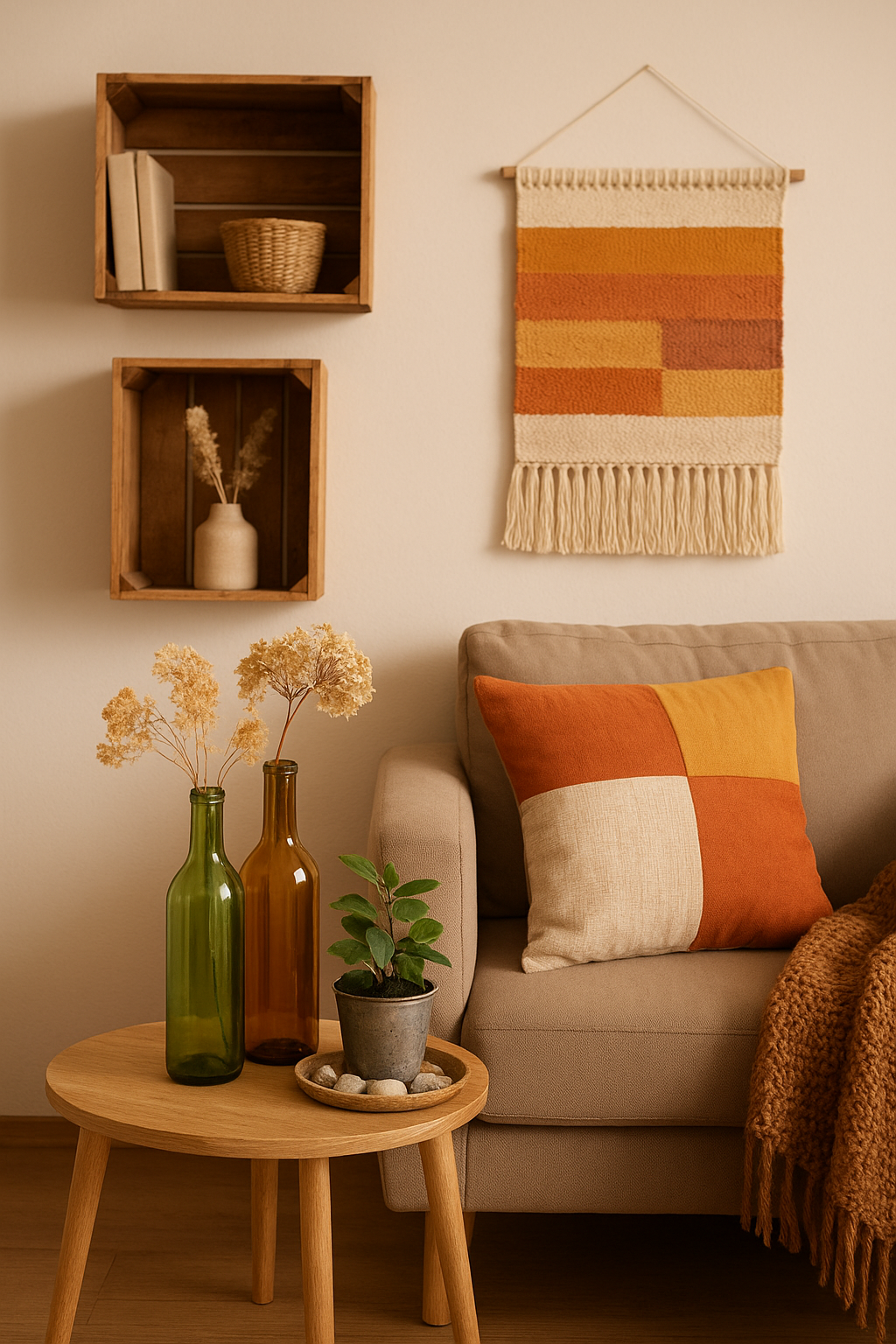
Home decor doesn’t always need to come from expensive stores or designer collections. Some of the most charming and meaningful details in a home are those created by hand, using materials that are often overlooked or even thrown away. Do-it-yourself (DIY) projects are not only an affordable way to transform your space, but they also allow you to infuse personality and creativity into every corner. By reimagining everyday items—like jars, crates, fabrics, or even tin cans—you can design a home that feels unique, personal, and inspiring.
The beauty of DIY lies in its accessibility. You don’t need to be an expert crafter or have specialized tools to get started. What you need most is imagination, a willingness to experiment, and the desire to make your home a reflection of your lifestyle. Beyond aesthetics, working with simple and often recyclable materials also aligns with sustainable values, helping reduce waste and making your environment more eco-friendly.
Let’s explore how to transform everyday items into creative projects that give your home warmth, charm, and a distinctive touch.
Why Everyday Items Make the Best DIY Projects
There’s a common misconception that decorating with DIY always looks makeshift or amateur. In reality, with thoughtful planning and attention to detail, projects created with basic materials can look polished, professional, and stylish. Everyday items like glass bottles, wood scraps, or fabrics offer endless opportunities because:
- They’re affordable – most of these items cost little to nothing.
- They’re sustainable – repurposing reduces waste and extends the life of materials.
- They’re versatile – jars can become planters or lamps, crates can become shelves or tables.
- They’re personal – unlike store-bought decor, handmade pieces tell your story.
This blend of practicality, sustainability, and creativity is what makes DIY home decor such a rewarding endeavor.
Glass Jars and Bottles: From Recycling to Chic Decor
Glass jars and bottles are among the most versatile everyday materials for DIY projects. They’re sturdy, transparent, and can easily be transformed into functional or decorative pieces.
Candle Holders and Lanterns
A simple glass jar can become a rustic candle holder. Wrap it with twine, lace, or wire, and drop in a tealight for a soft glow. For outdoor spaces, you can hang several jars with candles inside to create a cozy, bohemian atmosphere.
Table Vases and Centerpieces
Old wine bottles or mason jars make elegant vases. Paint them in matte tones for a modern look, or leave them transparent for a minimalist vibe. A set of differently sized bottles grouped together creates a stunning centerpiece for a dining or coffee table.
Storage and Organization
Jars are also perfect for organization. In the kitchen, they hold pasta, grains, or spices. In the bathroom, they’re great for cotton pads, bath salts, or small toiletries. For a creative twist, add chalkboard labels or painted lids.
DIY Pendant Lamps
For those who want a slightly bolder project, glass bottles can even become pendant lamps. Cut the bottom carefully, fit in a bulb, and suspend them over a kitchen island or dining table. This project adds a unique industrial flair while recycling bottles that would otherwise go to waste.
Wooden Crates and Pallets: Rustic and Versatile
Wooden crates and pallets offer structure, sturdiness, and endless possibilities. Their natural texture brings warmth and rustic charm to any space.
Shelves and Wall Storage
Mount crates on a wall to create modular shelving. You can paint them in bold colors for a playful vibe or keep them natural for a rustic look. They’re ideal for displaying books, plants, or decorative pieces.
Coffee Tables and Benches
Pallets can be stacked, sanded, and painted to become stylish coffee tables or benches. Adding wheels to a pallet coffee table creates mobility, making it perfect for small living spaces.
Under-Bed Storage
Smaller crates are excellent for under-bed storage. Add handles or wheels, and you have practical, rustic drawers that keep clutter out of sight while adding charm.
Garden Planters
Pallets are also fantastic for outdoor use. Standing vertically, they can be transformed into vertical gardens, perfect for herbs or small flowering plants. This not only saves space but also adds greenery to your balcony or patio.
Fabric Scraps: Cozy Details with Personality
Leftover fabric pieces, whether from old clothes, curtains, or sewing projects, can be turned into eye-catching decor elements.
Cushion Covers
Patchwork cushion covers are a classic use for fabric scraps. Mixing patterns and textures creates a cozy, eclectic look that brightens up sofas and chairs.
Wall Hangings and Tapestries
Large fabric pieces or woven scraps can become wall hangings. Mounted on a wooden rod or embroidery hoop, they add texture and color to bare walls without the cost of large art pieces.
Table Runners and Placemats
Sewing smaller pieces of fabric together can result in unique table runners or placemats. These add warmth to dining settings and are an easy way to refresh your table decor.
Upholstery Revamps
Even small scraps can refresh furniture. Cover the seat of a chair with a new fabric pattern, or add accents to headboards and footstools. This gives old furniture a new lease on life.
Fabric Baskets
Scraps can be sewn into soft baskets, useful for organizing smaller items like toys, magazines, or craft supplies. They combine functionality with a handmade charm.
Everyday materials like glass, wood, and fabric not only reduce decorating costs but also give your space a one-of-a-kind identity. More importantly, these projects are approachable. They don’t require professional skills—just some patience and creativity. With jars, pallets, and fabric scraps, you’re not just decorating your home; you’re also giving everyday objects a second life.
And the possibilities don’t end there. Some of the most innovative DIY projects come from reimagining even humbler materials, like tin cans, cardboard, or natural elements. With just a bit of imagination, these can become surprisingly stylish pieces that make your home both practical and inspiring.
Tin Cans and Metal Pieces: Industrial-Style DIY
Tin cans are often discarded after a single use, but with a bit of creativity, they can become functional and stylish decor items. Their metallic finish adds an industrial touch, making them versatile for both rustic and modern settings.
Lanterns and Candle Holders
Punch small holes into clean tin cans to create lanterns. When lit with candles inside, the holes cast beautiful patterns of light across walls. Painted in matte black or white, they look chic and sophisticated.
Organizers for Desk and Kitchen
Cans make excellent organizers for pens, utensils, or craft supplies. Wrapping them in jute rope, patterned fabric, or paint transforms them into decorative pieces rather than mere storage.
Hanging Planters
Attach wires to cans and hang them as planters for herbs or flowers. This is a fantastic way to add greenery indoors without buying new pots.
Cardboard and Paper: Surprisingly Strong and Decorative
While cardboard and paper may seem fragile, they can be surprisingly durable when used creatively. These materials also allow for lightweight, customizable projects that are perfect for budget-conscious decorators.
Wall Panels and Art
Layered cardboard pieces can be cut into geometric shapes and arranged into wall panels that mimic high-end decor. Painted in metallic or neutral tones, they can elevate even the simplest room.
Storage Boxes
Cardboard boxes reinforced with fabric or paper overlays make beautiful storage solutions. They can be placed on shelves, under tables, or in closets to hide clutter in style.
DIY Lampshades
Paper and cardboard can be used to craft unique lampshades. Folding paper into origami-inspired shapes or cutting patterns into cardboard creates stunning light effects.
Decorative Frames
Old magazines or colorful paper scraps can be rolled and glued to form intricate picture frames. These add personality to your gallery wall without costing a fortune.
Natural Elements: Bringing the Outdoors In
Nature offers endless materials for DIY projects that add warmth and authenticity to your home. Stones, branches, shells, and plants can be incorporated into designs that feel organic and calming.
Wooden Branch Decor
Branches can become curtain rods, wall hooks, or even rustic chandeliers. Sanded and varnished, they bring a natural, earthy vibe indoors.
Stone and Pebble Accents
Flat stones glued to a tray create a natural serving platter. Pebbles can also line vases, candle holders, or bathroom mats, offering a spa-like touch.
Plant Displays
Incorporating plants into DIY projects instantly enlivens a space. Hanging terrariums, wall-mounted planters, or simple potted herbs on shelves enhance both air quality and decor.
Seashell Creations
Seashells collected from trips can be turned into mirror frames, wind chimes, or decorative bowls. These not only decorate your space but also carry sentimental value.
Step-by-Step Ideas for Creating Cohesive DIY Decor
The key to successful DIY decor isn’t just in the projects themselves but in how they work together. A home filled with random, mismatched pieces can feel chaotic. Instead, aim for cohesion and flow.
- Choose a Style Direction – Decide if you want your DIY decor to lean rustic, modern, bohemian, or eclectic. This will guide your material and color choices.
- Pick a Color Palette – Sticking to three or four core colors helps unify diverse projects. Neutrals with pops of bold tones often work well.
- Start Small – Begin with one or two DIY projects in a room. Once you see how they integrate, gradually add more.
- Balance Function and Aesthetics – Each piece should be both visually appealing and practical. A storage crate is more valuable if it also complements the decor.
- Mix DIY with Store-Bought – Combine handmade items with curated store pieces for a polished yet personal look.
Practical Tips to Start DIY Without Stress
For many people, the idea of DIY is exciting but intimidating. Here are a few tips to make the process enjoyable:
- Gather Tools Gradually – You don’t need a workshop. Start with basics like scissors, glue, paint, and a hammer. Add tools as needed.
- Repurpose First, Buy Later – Before purchasing supplies, look around your home. Chances are you already have jars, boxes, or fabrics waiting to be reused.
- Look for Inspiration – Social media platforms, blogs, and design magazines are treasure troves of ideas. Use them as inspiration, but always add your personal twist.
- Set Realistic Goals – Begin with small, manageable projects. A decorated jar or a fabric pillow is less overwhelming than an entire piece of furniture.
- Embrace Imperfections – Handmade items don’t have to look machine-made. Small flaws often add charm and uniqueness.
How DIY Projects Transform Everyday Living
Beyond aesthetics, DIY projects can significantly impact your daily life. They encourage mindfulness, creativity, and sustainability. Crafting your own decor builds a stronger connection to your living space, turning it into a true reflection of who you are.
DIY also fosters a sense of accomplishment. Every time you look at a lamp you built from a bottle or a shelf made from a crate, you’re reminded of your creativity and resourcefulness. These small victories enrich the everyday experience of being at home.
Moreover, DIY projects align with eco-friendly practices. By repurposing and reusing, you reduce waste, avoid overconsumption, and contribute to a more sustainable lifestyle. In a world that often prioritizes fast consumption, choosing to create instead of buy is a quiet but powerful act.
Conclusion: Embracing Creativity in Everyday Spaces
DIY home decor with everyday materials is more than a design choice—it’s a lifestyle. It invites you to see potential where others see waste, to transform the ordinary into something extraordinary. From glass jars turned into glowing lanterns to fabric scraps reshaped into cozy cushions, these projects prove that beauty and functionality can be achieved without extravagance.
By thoughtfully combining jars, crates, fabrics, metals, and natural elements, you can create a cohesive, stylish home filled with unique stories. Each piece you make adds character and authenticity to your space, ensuring that no two homes will ever look the same.
Ultimately, DIY isn’t just about saving money or filling your home with handmade objects. It’s about personal expression, sustainability, and the joy of creation. With everyday materials at your disposal, the possibilities are endless—and your home becomes not just a place to live, but a canvas for your creativity.
Leave a Reply