
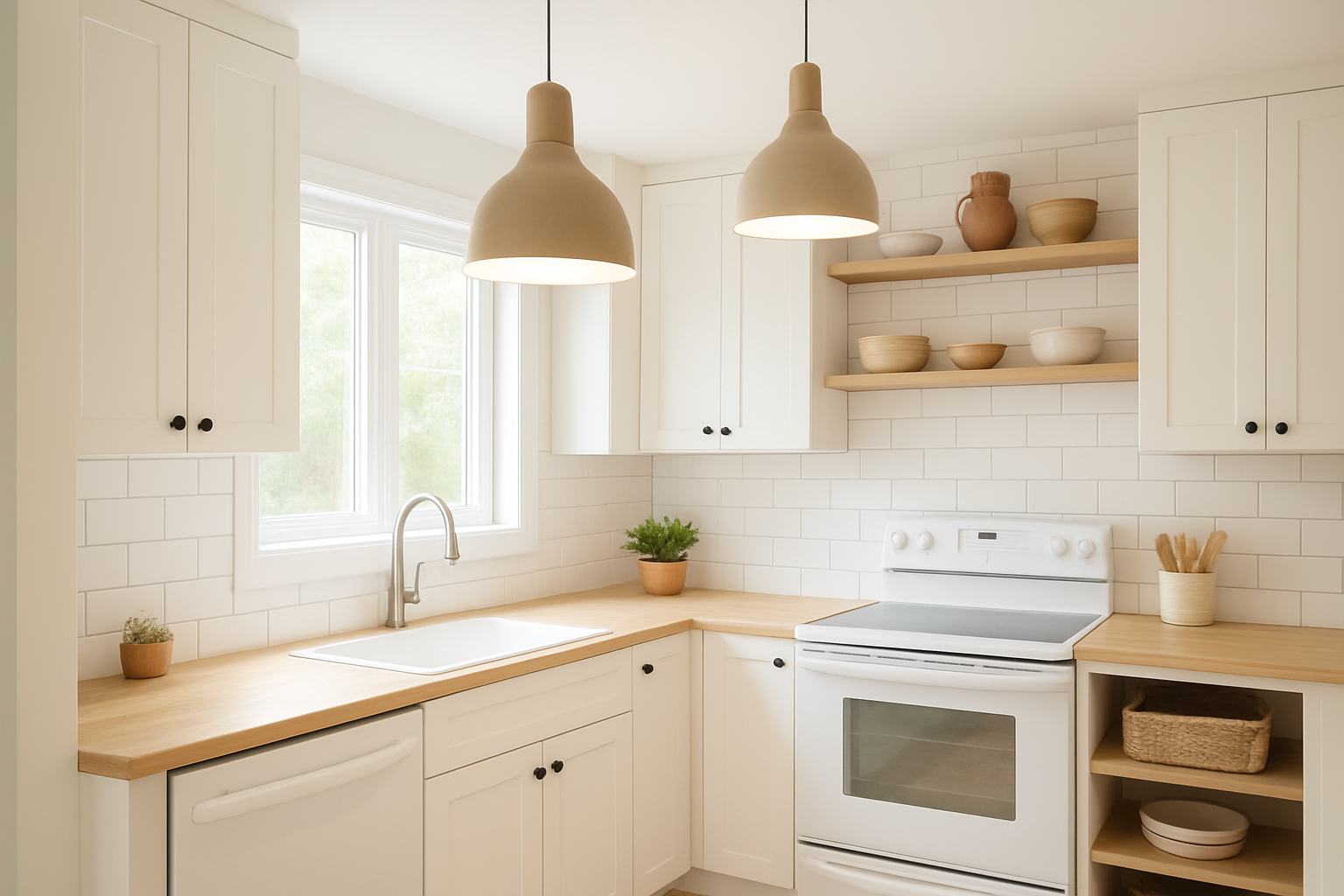
Introduction
The kitchen is the heart of the home. It is where meals are prepared, conversations happen over coffee, and memories are created during family gatherings. Yet, when it comes to renovation, the kitchen is also one of the most expensive spaces to update. Full-scale remodels can easily cost tens of thousands of dollars, making the idea feel out of reach for many homeowners.
The good news? You don’t need a massive budget to give your kitchen a fresh, stylish, and functional makeover. With smart planning, creative solutions, and a focus on cost-effective improvements, it’s possible to transform your space without draining your savings. A budget-friendly kitchen makeover is not about compromising quality; it’s about making strategic choices that maximize value while still achieving the look and functionality you desire.
This comprehensive guide will walk you through practical strategies, affordable updates, and clever design tricks to breathe new life into your kitchen without breaking the bank.
Why a Kitchen Makeover Matters
A kitchen makeover is more than just a cosmetic update. It influences how you feel in your home, how efficiently you prepare meals, and even how much your property is worth.
- Improved functionality: Even small changes like adding better lighting or extra storage can drastically improve how you use your kitchen.
- Enhanced aesthetics: A fresh coat of paint or updated cabinet hardware can shift the mood of the entire space.
- Increased home value: Kitchens often play a central role in real estate value, so even budget-conscious improvements can pay off in the long run.
- Boosted mood and lifestyle: A clean, welcoming kitchen makes daily routines smoother and more enjoyable.
Step 1: Plan Before You Spend
The most important step in a budget-friendly kitchen makeover is planning. Without a clear plan, it’s easy to overspend on things that don’t make a real impact.
- Define your priorities: Decide what matters most—function, style, or storage.
- Set a realistic budget: Allocate funds to essentials first, like repairs or functional updates.
- Measure everything: Accurate measurements prevent costly mistakes when buying furniture, shelves, or appliances.
- Look for inspiration: Create a mood board with ideas from Pinterest, magazines, or design blogs. This helps you identify the style you want without wasting money on items that don’t fit.
Planning also helps you decide what you can do yourself and what might require professional assistance.
Step 2: Refresh Instead of Replace
One of the costliest aspects of a kitchen renovation is replacing cabinets, countertops, and appliances. But often, these elements don’t need to be fully replaced—they just need a refresh.
Cabinets
- Repaint or re-stain instead of replacing.
- Swap old handles and knobs for modern hardware.
- Remove some cabinet doors to create open shelving for a contemporary feel.
Countertops
- Laminate surfaces can be updated with paint designed for countertops.
- Butcher block is an affordable and stylish alternative to stone.
- Peel-and-stick countertop films can mimic marble or granite at a fraction of the cost.
Appliances
- Instead of buying new, look for refurbished models.
- Stainless steel adhesive films can transform the look of older appliances.
- Maintain and clean existing appliances to extend their lifespan.
By refreshing rather than replacing, you save thousands while still achieving a noticeable transformation.
Step 3: Smart Paint Choices
Paint is one of the most powerful tools in budget makeovers. A gallon of paint costs relatively little but can completely change the atmosphere of your kitchen.
- Walls: Light colors like white, cream, or pale gray make small kitchens feel larger and brighter.
- Cabinets: Bold shades like navy, forest green, or matte black can create a sophisticated contrast against light walls.
- Accents: A pop of color on an island, backsplash, or even a door frame can add personality without overwhelming the space.
Don’t overlook ceilings and trims—they can tie the entire design together when refreshed with a clean coat.
Step 4: Affordable Backsplash Upgrades
The backsplash is a focal point in the kitchen, but tile work can be expensive. Thankfully, there are affordable alternatives.
- Peel-and-stick tiles: These mimic ceramic or glass tiles and are easy to install.
- Painted backsplash: High-quality, washable paint can create a sleek backdrop.
- Beadboard panels: A budget-friendly option that adds texture and charm.
- Vinyl wallpaper: Durable, easy to clean, and available in endless patterns.
Even a small backsplash area behind the stove or sink can elevate the entire room.
Step 5: Lighting That Works Wonders
Lighting is often overlooked in kitchen makeovers, but it can completely transform the space. Fortunately, there are budget-friendly ways to upgrade.
- Under-cabinet LED strips: Affordable, easy to install, and excellent for task lighting.
- Pendant lights: Swap outdated fixtures for modern pendants to add style.
- Warm bulbs: Soft white bulbs create a cozy ambiance, while daylight bulbs brighten workspaces.
Strategic lighting not only enhances design but also makes cooking safer and more enjoyable.
Step 6: Flooring on a Budget
New flooring can be expensive, but there are creative solutions that fit smaller budgets.
- Peel-and-stick vinyl planks: Easy to install, water-resistant, and available in wood or stone finishes.
- Painted floors: If you already have wooden floors, a durable floor paint can give them new life.
- Rugs and mats: For an instant update, add washable area rugs that bring warmth and pattern to the kitchen.
The goal is not always to replace flooring entirely, but to make it look fresh and cohesive with the new design.
Step 7: Affordable Storage Solutions
Clutter makes any kitchen feel outdated and cramped. Storage improvements can create the illusion of a larger, more functional kitchen without major construction.
- Use drawer organizers to maximize utensil storage.
- Add floating shelves for dishes, cookbooks, or plants.
- Install pull-out racks inside cabinets to make pots and pans more accessible.
- Hang hooks and rails for mugs, pans, or utensils.
Small storage upgrades make the kitchen more functional and organized, reducing frustration during daily use.
Step 8: Accessories and Décor with Impact
Sometimes, the finishing touches make the biggest difference.
- Plants: Fresh herbs in pots add greenery and utility.
- Artwork: Affordable prints or DIY canvas art personalize the space.
- Textiles: New curtains, dish towels, or chair cushions refresh the room instantly.
- Hardware and details: Polished handles, modern faucets, or a stylish soap dispenser can subtly elevate the design.
These small changes cost little but make the kitchen feel intentional and cohesive.
Step 9: DIY Projects for a Personal Touch
Do-it-yourself projects are one of the best ways to save money while customizing your space.
- Build open shelving with reclaimed wood.
- Create your own chalkboard wall for notes and recipes.
- Repurpose old furniture, like turning a dresser into a kitchen island.
- Handcraft unique lighting fixtures using affordable materials.
DIY projects not only cut costs but also make your kitchen feel one-of-a-kind.
Step 10: Focus on Energy Efficiency
An often-overlooked aspect of budget makeovers is long-term savings. By making energy-efficient choices, you cut costs over time.
- Replace old bulbs with LED lighting.
- Seal windows and doors to prevent drafts.
- Use energy-efficient appliances when replacements are necessary.
- Add faucet aerators to reduce water waste.
Even small eco-friendly upgrades can result in lower bills and a more sustainable home.
Step 11: Affordable Kitchen Islands and Workspaces
A kitchen island can transform the way you use your space, offering extra storage, prep surfaces, and even a casual dining area. While custom-built islands are expensive, budget-friendly alternatives exist.
- Repurposed furniture: A sturdy dresser or old table can be modified into a makeshift island with added storage.
- Rolling carts: Mobile kitchen carts provide flexibility and can be tucked away when not in use.
- Butcher block stands: Compact and practical, these are affordable and ideal for smaller kitchens.
By thinking creatively, you can introduce the benefits of an island without the hefty price tag.
Step 12: Window Treatments and Natural Light
Natural light plays a crucial role in making your kitchen feel larger and more inviting. Small updates to your windows can make a dramatic difference.
- Sheer curtains or blinds: They allow sunlight while maintaining privacy.
- Roman shades: An inexpensive but stylish option that pairs well with various design styles.
- DIY valances: Add character with fabric remnants or repurposed materials.
If possible, keep window areas uncluttered to maximize brightness. Natural light not only enhances aesthetics but also reduces the need for artificial lighting during the day.
Step 13: Creative Use of Color and Texture
Budget renovations thrive on creativity, and color is one of the easiest tools to work with. Beyond paint, you can experiment with textures and finishes to create depth.
- Textured wallpaper: Adds dimension to walls without major expense.
- Contrast through materials: Pair wood with metal or glossy with matte finishes.
- Color zoning: Use paint or materials to visually separate areas, like the cooking zone from the dining nook.
Thoughtful color and texture combinations elevate a budget-friendly kitchen, making it appear more polished and intentional.
Step 14: Small Dining Nooks and Seating Solutions
If your kitchen doubles as a dining area, creating a cozy nook doesn’t have to cost much.
- Bench seating: Build a simple wooden bench with storage underneath.
- Compact tables: Round tables often fit better in tight spaces than rectangular ones.
- Mix-and-match chairs: Thrifted chairs painted the same color create a cohesive yet affordable look.
This approach ensures that your kitchen is not only practical but also a welcoming place for meals and conversations.
Step 15: Decluttering and Minimalism
Sometimes, the most budget-friendly makeover is not about adding more but about removing the excess. A clean, uncluttered kitchen automatically looks brighter, bigger, and more modern.
- Clear countertops and keep only essential items visible.
- Donate or recycle duplicates and rarely used gadgets.
- Organize pantry shelves with labeled containers for efficiency.
Minimalism doesn’t mean sterile; it means prioritizing function and keeping the space open for daily use.
Step 16: Secondhand and Upcycled Finds
One of the best-kept secrets in budget makeovers is shopping secondhand. Many high-quality kitchen items can be found in thrift stores, garage sales, or online marketplaces.
- Cabinet hardware: Often available in bulk at a fraction of retail prices.
- Dining sets: With sanding and a coat of paint, used furniture looks brand new.
- Lighting fixtures: Vintage finds can add character and style.
Upcycling gives unique charm to your kitchen while reducing waste and saving money.
Step 17: Budget-Friendly Organization Hacks
Functionality is just as important as aesthetics. With some clever hacks, you can keep your kitchen running smoothly.
- Use magnetic strips for knives, freeing up drawer space.
- Hang pegboards for utensils, pots, and pans.
- Store lids vertically with inexpensive racks or tension rods.
- Place lazy Susans inside cabinets for easy access to condiments and spices.
These small adjustments keep clutter at bay and make everyday cooking tasks more efficient.
Step 18: Seasonal Updates for Freshness
You don’t have to renovate everything at once. Small seasonal updates can keep your kitchen feeling fresh year-round.
- Spring: Introduce fresh flowers, pastel dish towels, and lighter décor.
- Summer: Swap in bright, cheerful colors and airy fabrics.
- Fall: Add warm-toned accents like orange or gold through textiles or small accessories.
- Winter: Layer cozy textures, like woven baskets and darker hues.
Rotating décor is a budget-friendly way to keep your kitchen feeling dynamic without constant large expenses.
Step 19: Combining Budget and Splurge Items
Even on a tight budget, it’s strategic to allow for a few splurges. Pairing affordable updates with one or two standout investments can elevate the entire kitchen.
- Splurge: A stylish faucet that becomes a focal point.
- Budget: Peel-and-stick backsplash tiles that complement the faucet.
- Splurge: Durable, high-quality cookware.
- Budget: Thrifted or repurposed open shelving to display it.
This balance ensures your kitchen feels both luxurious and cost-conscious.
Step 20: Final Checklist for a Budget Kitchen Makeover
Before wrapping up your project, review this simple checklist to ensure your makeover is effective:
- Did you set and stick to a realistic budget?
- Are the most functional problems (lighting, storage, flow) solved?
- Did you refresh instead of replace whenever possible?
- Have you added personal touches to make the space uniquely yours?
- Is the kitchen organized and easy to maintain?
This checklist helps confirm that every dollar was spent wisely and that your kitchen is not only beautiful but also functional.
Conclusion
A kitchen makeover doesn’t need to be overwhelming or outrageously expensive. By focusing on small, impactful updates and choosing creativity over costly replacements, you can achieve a transformation that feels fresh, functional, and uniquely yours.
Budget-friendly renovations are about maximizing value: repainting cabinets instead of replacing them, adding smart storage rather than tearing down walls, and layering accessories that reflect your personality. It’s not the size of the budget that matters most, but the intention behind every choice.
Whether you dream of a modern, rustic, or minimalist kitchen, there are countless ways to get there without overspending. With thoughtful planning, DIY ingenuity, and a willingness to repurpose and refresh, your kitchen can become a space that inspires joy, supports your lifestyle, and adds value to your home—all while staying comfortably within your budget.
Leave a Reply