
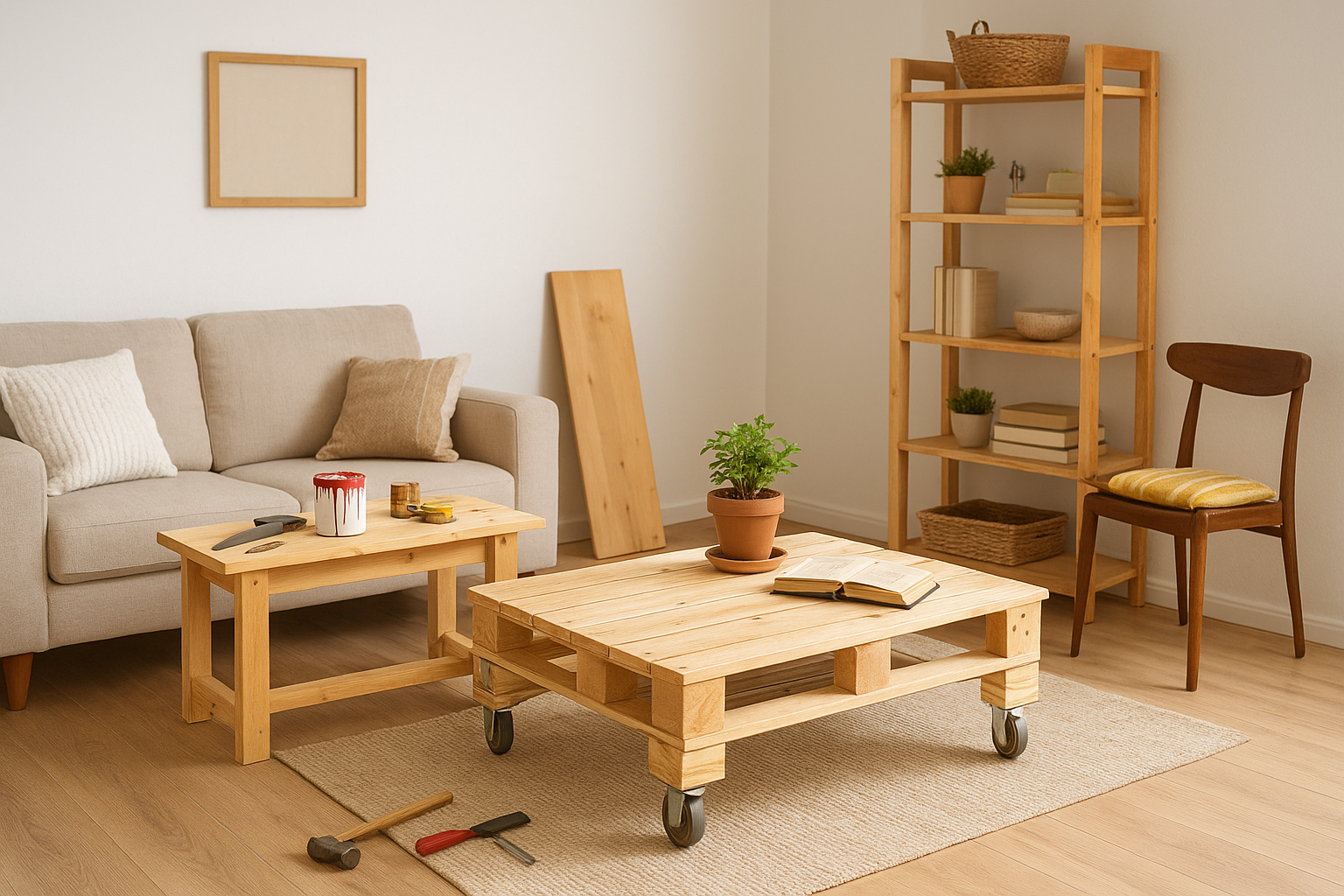
Custom furniture doesn’t have to be expensive or complicated. With creativity, patience, and a few tools, you can transform everyday materials into one-of-a-kind pieces that reflect your personality and style. Whether you want to save money, upcycle old items, or create a unique statement for your home, DIY custom furniture projects are rewarding and practical.
In this guide, we’ll explore simple but impactful ideas that anyone—from beginners to seasoned DIYers—can tackle. Part 1 covers the why behind DIY furniture, essential tools, and several inspiring projects you can start right away.
Why Choose DIY Custom Furniture?
Before diving into projects, let’s understand why DIY furniture is so appealing:
- Budget-Friendly: Store-bought custom furniture can cost hundreds or even thousands of dollars. DIY allows you to achieve a personalized look for a fraction of the price.
- Sustainability: Upcycling and reusing materials reduces waste and supports eco-friendly living.
- Creativity: Every project becomes an opportunity to express your style, from minimalist modern to rustic farmhouse.
- Learning: Each build improves your skills and gives you confidence to take on bigger projects.
- Personal Value: A chair, table, or shelf you built yourself carries memories and meaning that mass-produced furniture never could.
Tools & Materials Every DIYer Should Have
You don’t need a full workshop to start making custom furniture. A few essential tools will help you tackle most beginner projects:
- Measuring tape and level – Precision is key.
- Cordless drill and screwdriver set – Perfect for assembling and disassembling.
- Saw (hand saw or circular saw) – For cutting wood to size.
- Hammer and nails – Simple but necessary.
- Sanding block or electric sander – For smooth finishes.
- Paintbrushes and rollers – To apply paint or stain.
- Clamps – To hold pieces together while working.
Optional but helpful extras: a jigsaw for curved cuts, a staple gun for upholstery, and wood glue for extra strength.
Simple DIY Furniture Projects for Beginners
Here are some easy projects that require minimal tools and deliver maximum impact:
1. Crate Coffee Table
Wooden crates can be arranged into a square or rectangle, screwed together, and topped with a piece of glass for a rustic coffee table. Add wheels to make it mobile.
2. Floating Shelves
Using sturdy wood planks and hidden brackets, you can create sleek, modern shelves. Paint or stain them to match your décor.
3. Pallet Bench
Repurpose shipping pallets by sanding, painting, and stacking them to create a casual bench for indoors or outdoors. Add cushions for comfort.
4. Industrial Pipe Bookshelf
Combine wood planks with metal pipes for a stylish, urban-inspired shelf. It’s strong, customizable, and visually striking.
5. Reclaimed Door Desk
Turn an old solid door into a desk by placing it on top of two drawer units or trestle legs. Sand and refinish the door for a polished look.
Customization Ideas to Add Personality
Even small details can make DIY furniture unique:
- Paint & Stain: Choose bold colors for a statement piece or natural stains for subtle elegance.
- Hardware: Replace standard knobs with vintage or artistic handles.
- Patterns: Use stencils or painter’s tape for geometric designs.
- Textiles: Add fabric, cushions, or upholstery for comfort and flair.
- Lighting: Incorporate LED strips or lamps into shelving or headboards.
💡 Pro tip: Keep your home’s overall theme in mind. Cohesion between rooms makes DIY pieces look professionally designed.
The Value of Upcycling
One of the most rewarding aspects of DIY furniture is giving new life to old items.
- Turn an unused dresser into a bathroom vanity.
- Convert wooden ladders into bookshelves.
- Use old wine crates for wall storage.
- Transform a worn coffee table with mosaic tiles.
Not only does upcycling reduce waste, but it also creates conversation pieces full of character.
The Value of Upcycling
One of the most rewarding aspects of DIY furniture is giving new life to old items.
- Turn an unused dresser into a bathroom vanity.
- Convert wooden ladders into bookshelves.
- Use old wine crates for wall storage.
- Transform a worn coffee table with mosaic tiles.
Not only does upcycling reduce waste, but it also creates conversation pieces full of character.
Wrapping Up
By now, you’ve discovered the motivation behind DIY custom furniture, the essential tools to get started, and beginner-friendly projects that prove anyone can build something unique. Whether you’re drawn to the charm of upcycling or the satisfaction of building from scratch, these simple ideas will help you create stylish and personalized pieces without breaking the bank.
In Part 2, we’ll explore advanced projects, detailed step-by-step builds, finishing techniques, and expert tips for making your DIY creations look like professional masterpieces.
DIY: Simple Ideas for Custom Furniture (Part 2)
In Part 1, we explored why DIY custom furniture is worthwhile, the essential tools you’ll need, and some beginner-friendly projects to get started. Now it’s time to take your skills to the next level. In this section, we’ll dive into intermediate and advanced projects, finishing techniques, and expert tips that will make your DIY creations look polished and professional.
Advanced DIY Furniture Projects
If you’re ready to move beyond crates and pallets, these projects will challenge your creativity and improve your woodworking skills:
1. Farmhouse Dining Table
A sturdy wooden table with thick legs and a rustic finish adds warmth to any dining room. Using reclaimed wood will give your table character, while a smooth varnish ensures durability.
2. Storage Bed Frame
Maximize space by building a wooden bed frame with built-in drawers. This is ideal for small bedrooms and adds a sleek, custom look.
3. Upholstered Ottoman
With plywood, foam, fabric, and a staple gun, you can create a versatile ottoman that serves as extra seating, a coffee table, or storage.
4. Bar Cart with Wheels
Repurpose an old side table or build from scratch using metal frames and wooden planks. Add casters, a bottle rack, and a glass holder for a functional yet stylish cart.
5. Custom Bookshelf with Hidden Compartments
For a creative twist, design a bookshelf that includes secret drawers or compartments. This adds mystery and extra functionality to your living space.
Techniques to Achieve a Professional Finish
One of the biggest differences between amateur and professional-looking furniture is the finish. Here’s how to elevate your projects:
- Sanding in Stages: Start with coarse sandpaper (80 grit) and gradually move to finer grits (220–320) for a smooth surface.
- Staining vs. Painting: Stains bring out natural wood grain, while paints allow bold customization. Choose depending on the furniture’s role.
- Sealing and Varnishing: Protect your project with polyurethane, wax, or oil-based sealers. This step increases longevity.
- Distressing: For a vintage look, lightly sand edges and apply a glaze or chalk paint.
- Layered Painting: Combine colors for depth, such as a darker base with a lighter top coat, then sand slightly for contrast.
Techniques to Achieve a Professional Finish
One of the biggest differences between amateur and professional-looking furniture is the finish. Here’s how to elevate your projects:
- Sanding in Stages: Start with coarse sandpaper (80 grit) and gradually move to finer grits (220–320) for a smooth surface.
- Staining vs. Painting: Stains bring out natural wood grain, while paints allow bold customization. Choose depending on the furniture’s role.
- Sealing and Varnishing: Protect your project with polyurethane, wax, or oil-based sealers. This step increases longevity.
- Distressing: For a vintage look, lightly sand edges and apply a glaze or chalk paint.
- Layered Painting: Combine colors for depth, such as a darker base with a lighter top coat, then sand slightly for contrast.
Mixing Materials: Wood, Metal, and More
Wood is the most common DIY material, but mixing textures can make your furniture stand out:
- Wood + Metal: Combine reclaimed wood with black steel pipes for an industrial vibe.
- Wood + Glass: A glass top over a wooden frame balances modern and rustic.
- Wood + Fabric: Upholstered chairs and headboards bring comfort and style.
- Wood + Concrete: Lightweight concrete slabs can be used for countertops or tabletops, paired with wooden legs.
Expert Tips for Successful DIY Furniture
After years of experience, seasoned DIYers agree on these golden rules:
- Measure Twice, Cut Once – Small mistakes can ruin an entire project.
- Start Simple, Build Confidence – Don’t jump into overly complex projects right away.
- Invest in Quality Materials – Cheaper wood may warp or crack, costing more in the long run.
- Stay Organized – Label screws, keep your tools in order, and follow plans carefully.
- Embrace Imperfections – Slight flaws add charm and authenticity to handmade furniture.
Sustainability in DIY Furniture
Incorporating eco-friendly practices is more important than ever. Here’s how:
- Use Salvaged Wood: Old barns, pallets, and crates provide excellent raw materials.
- Non-Toxic Finishes: Choose paints and stains with low VOCs.
- Upcycling Everyday Items: Repurpose doors, windows, or even old suitcases into functional furniture.
- Minimal Waste: Plan cuts to reduce leftover scraps.
Sustainable DIY not only helps the planet but also gives your furniture a story worth sharing.
Where to Find Inspiration
Creativity thrives when fueled by ideas. Great sources include:
- Pinterest & Instagram: Search for DIY furniture hashtags for endless inspiration.
- YouTube Tutorials: Step-by-step video guides make projects easier to follow.
- Thrift Stores & Flea Markets: Old furniture often sparks new ideas.
- Magazines & Blogs: Design publications highlight emerging trends.
Final Thoughts: Your Home, Your Story
DIY furniture is more than just a money-saving activity—it’s an expression of your creativity and lifestyle. Every piece you build or customize reflects who you are. A handmade bookshelf, an upcycled coffee table, or a rustic dining set becomes a conversation starter and a memory-filled part of your home.
So, whether you’re just beginning with a simple crate table or tackling advanced builds like a storage bed, remember: the process is as rewarding as the result. Each project adds skill, beauty, and a personal touch to your living space.
Leave a Reply