
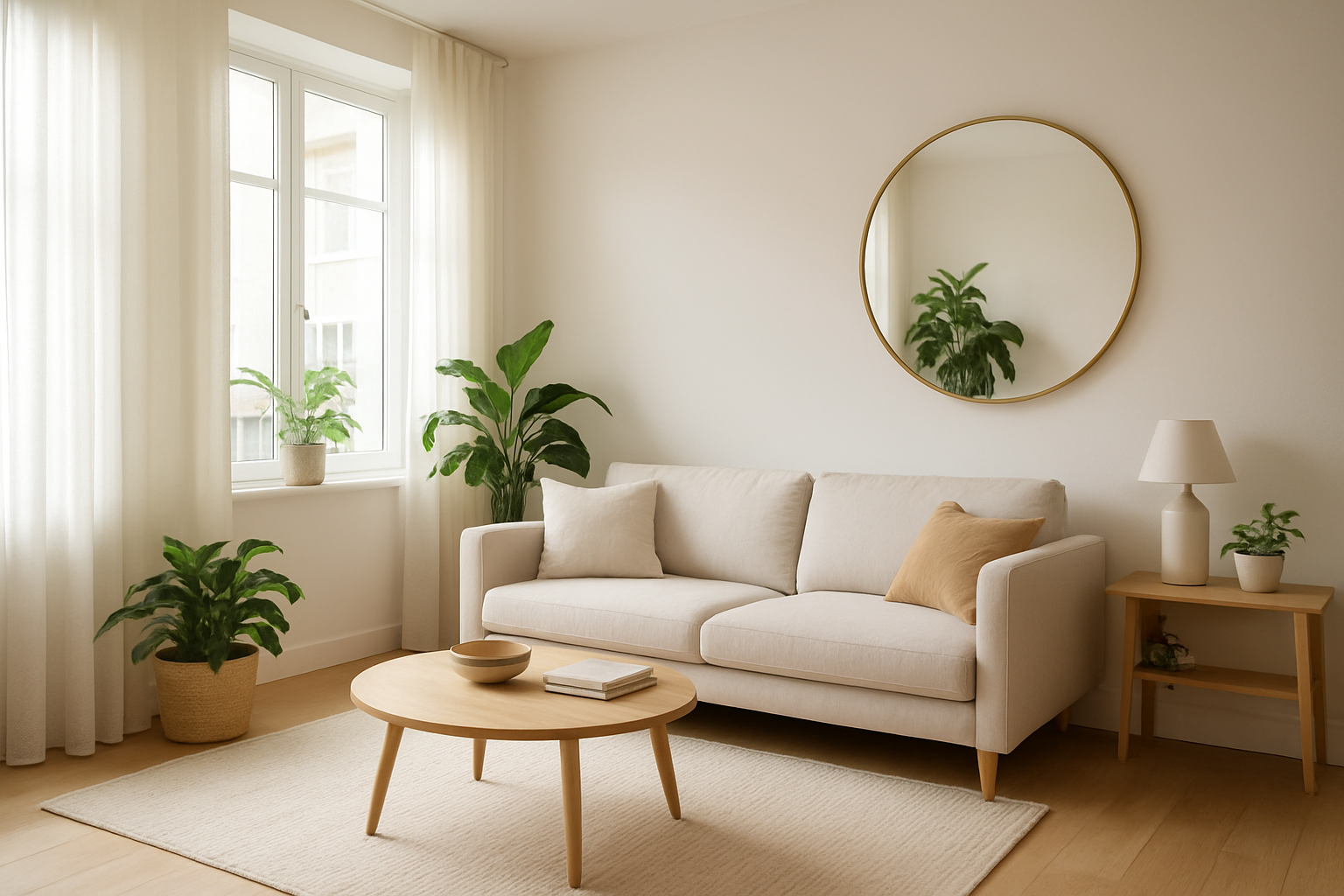
Introduction: Why Natural Light Matters in Small Spaces
Natural light is one of the most powerful design elements you can use in a small living space. It does more than brighten a room — it opens it up, makes it feel larger, and creates a welcoming atmosphere. Sunlight enhances colors, highlights textures, and provides a sense of connection to the outside world. In small apartments, studios, or compact living rooms, harnessing natural light is not just a matter of aesthetics; it directly affects comfort, mood, and even energy efficiency.
For many people, the challenge lies in the limitations of architecture. Small spaces often come with fewer or smaller windows, low ceilings, or layouts that make light distribution uneven. But with intentional design, you can amplify the natural light you do have and make even the tiniest living room feel open and airy.
Understanding How Light Transforms Interiors
Before diving into specific tips, it’s important to understand how light interacts with your living space. Light reflects, diffuses, and changes throughout the day. Morning light is often softer and cooler, while afternoon sunlight feels warmer and more direct. The orientation of your windows plays a role, too:
- North-facing windows tend to give consistent but cooler light.
- South-facing windows provide the most natural sunlight throughout the day.
- East-facing windows bring in fresh morning light.
- West-facing windows deliver golden evening tones.
By recognizing the type of natural light your living space receives, you can tailor your design decisions to make the most of it. For instance, if your living room faces north, you may want to use warmer colors to balance the cooler light. If your windows face west, choosing materials that won’t overheat in the late afternoon sun will make the space more comfortable.
Choosing the Right Colors and Materials
One of the simplest ways to amplify natural light is through color. Pale shades act as reflectors, bouncing light around the room, while darker tones absorb it. This doesn’t mean you have to stick to pure white walls, but using a light color palette can make a dramatic difference in how open a small space feels.
Walls and Ceilings
- Soft whites, creams, and light grays create a neutral base that maximizes reflection.
- Pastel tones like pale blue, mint, or blush introduce subtle personality without darkening the room.
- High-gloss finishes on ceilings can reflect light back into the space, making it feel taller.
Flooring
Flooring plays a bigger role than many people realize. A light-toned wooden floor or pale laminate reflects more light than dark hardwood. If replacing flooring isn’t an option, a bright area rug can create a similar effect.
Fabrics and Upholstery
Materials like linen, cotton, and lightweight weaves allow light to pass through or reflect gently. Heavy, dark fabrics absorb light and visually shrink the room. For sofas or chairs, choose lighter upholstery, or use throw blankets and cushions in pale shades to balance darker furniture.
Window Treatments That Invite More Light
Windows are the primary source of natural light, so how you treat them directly affects how much brightness fills your space. The goal is to maximize light while maintaining privacy and style.
Sheer Curtains
Sheer curtains are ideal for small living rooms. They provide privacy without blocking sunlight and create a soft, diffused glow. White or cream sheers are timeless, but light gray or soft beige can work beautifully too.
Layered Treatments
For more versatility, layer sheer curtains with blackout drapes. During the day, you can enjoy full sunlight with the sheers, and at night, you can pull the heavier drapes for coziness and privacy.
Avoid Heavy Fabrics
Velvet or thick brocade curtains may feel luxurious, but they absorb too much light. In small spaces, it’s better to keep window coverings light and minimal.
Minimal Hardware
Simple curtain rods or track systems keep the focus on the window itself. Avoid bulky valances or heavy pelmets, which can make windows feel smaller.
Strategic Furniture Placement
Even the most beautifully lit space can feel dark if furniture blocks the natural flow of light. How you arrange your pieces can make a significant difference.
Keep Windows Clear
Avoid placing tall or bulky furniture directly in front of windows. If you must place something nearby, opt for a low-profile piece like a bench or slim console table that doesn’t obstruct the glass.
Use Transparent or Reflective Furniture
Acrylic coffee tables, glass shelving, or metal-legged chairs visually take up less space and allow light to travel through the room. This creates an airy, uncluttered look.
Arrange Seating for the View
Position sofas and chairs to face or angle toward windows. This not only connects you to the light source but also emphasizes the openness of the space.
Floating Layouts
Pull furniture slightly away from walls to allow light to travel behind and around it. Even a few inches can make a room feel more spacious and illuminated.
Playing with Vertical and Horizontal Lines
In small spaces, light can easily feel blocked or trapped if the layout isn’t carefully planned. Vertical and horizontal design elements help guide the eye and distribute light more effectively.
- Vertical shelving draws attention upward, emphasizing ceiling height and allowing light to flow between levels.
- Low-profile furniture keeps sightlines open, ensuring light reaches across the room.
- Horizontal stripes on rugs or cushions can stretch the visual space, making it feel larger and brighter.
By combining these elements, you encourage both light and movement, creating a room that feels dynamic rather than confined.
Embracing Minimalism for Light Flow
Clutter is one of the biggest enemies of natural light in small living rooms. Too many objects block sightlines and absorb brightness, leaving the space feeling cramped. Minimalism doesn’t mean stripping your home bare, but it does encourage intentionality.
- Edit décor items: Instead of dozens of small trinkets, display a few statement pieces.
- Open shelving: Keep it organized and airy rather than overcrowded.
- Multipurpose furniture: Use ottomans with storage or coffee tables with hidden compartments to keep clutter at bay.
A minimalist approach allows light to travel unobstructed, making every square foot count.
Bringing It AllTogether So Far
By now, you can see how small changes in color, materials, window treatments, furniture placement, and layout design can dramatically amplify the natural light in your living space. These strategies don’t require a complete remodel — they simply rely on thoughtful choices that highlight what you already have.
But natural light doesn’t stop with walls and furniture. In the next part, we’ll explore mirrors, reflective surfaces, artificial lighting strategies, plants, décor, and real-life case examples that bring everything together into a bright, airy, and truly inviting home.
Mirrors and Reflective Surfaces to Amplify Brightness
Mirrors are one of the most effective tools for enhancing natural light in small living spaces. By strategically placing mirrors, you can bounce light around the room, double the perception of space, and create a brighter atmosphere without adding new windows.
- Across from windows: Positioning a mirror opposite or diagonally across from a window reflects natural light deeper into the room.
- Mirrored furniture: Coffee tables, sideboards, or shelving units with reflective finishes can subtly add more brightness.
- Wall panels: Large mirrored panels or gallery-style arrangements create the illusion of extended space while increasing light reflection.
Reflective surfaces don’t have to be limited to mirrors. High-gloss furniture, metallic décor, and even glass accessories contribute to the overall brightness.
Smart Use of Artificial Light
While maximizing daylight is essential, most small living rooms also require supplemental artificial lighting. The key is to treat artificial light as a complement to natural light rather than a replacement.
Layered Lighting
Using a single overhead light often creates harsh shadows and makes a room feel smaller. Instead, layer different sources:
- Ambient lighting: Ceiling fixtures or recessed lights provide overall illumination.
- Task lighting: Floor lamps, reading lights, or desk lamps focus on specific activities.
- Accent lighting: LED strips under shelves, wall sconces, or spotlighting highlight décor or architectural details.
Bulb Selection
Opt for bulbs with a warm white (2700K–3000K) for cozy areas or a neutral white (3500K–4000K) for spaces where clarity is important. Dimmable LEDs allow flexibility, adjusting the mood according to the time of day.
Light Placement
Placing lamps near reflective surfaces or corners enhances diffusion. Wall-mounted fixtures free up floor space, a valuable consideration in small living rooms.
Plants and Décor that Enhance an Airy Feeling
Natural light and greenery go hand in hand. Plants not only thrive in well-lit environments but also contribute to a fresh, airy aesthetic.
- Tall plants like fiddle-leaf figs or palms draw the eye upward, emphasizing height.
- Trailing plants such as pothos or ivy soften corners and shelves.
- Small succulents and herbs bring life to coffee tables or window sills without overwhelming the space.
When it comes to décor, prioritize items that add to the feeling of openness rather than clutter. Light-colored textiles, minimalist art, and transparent or translucent materials allow the room to breathe.
Case Examples: Small Living Spaces Transformed
A Studio Apartment with One Window
By painting walls a soft white, using sheer curtains, and placing a large mirror across from the window, the apartment instantly felt larger and brighter. Minimalist furniture and a glass coffee table ensured light flowed freely.
A Compact Living Room with Low Ceilings
Light-toned flooring combined with vertical shelving emphasized height. Strategic use of recessed lighting and tall floor lamps balanced the limited natural light, creating a cozy yet spacious effect.
A Tiny Urban Loft
In this space, plants and reflective décor were the stars. Hanging greenery softened industrial lines, while metallic accents and layered lighting made the loft inviting without sacrificing brightness.
These real-life examples show that even the most challenging spaces can benefit from thoughtful design strategies focused on light.
Creating Continuity Between Rooms
Small living rooms often connect directly to kitchens, hallways, or entryways. Ensuring continuity of light between these spaces helps maintain the illusion of openness.
- Use consistent wall colors or flooring to unify spaces.
- Avoid heavy partitions; instead, use open shelving or glass dividers to define zones without blocking light.
- If privacy is needed, consider sliding doors with frosted glass panels, which let light pass through while maintaining separation.
This flow ensures that the brightness you cultivate in one room enhances the entire home.
Psychological Benefits of Bright Spaces
Design is not just about aesthetics. Natural light impacts mental health, productivity, and mood. Bright, airy living rooms encourage relaxation, reduce stress, and create an inviting atmosphere for both residents and guests.
Studies have shown that exposure to natural light improves sleep cycles, boosts vitamin D levels, and fosters a sense of well-being. In small living spaces, these benefits are especially valuable, as light helps counterbalance the limitations of size.
Conclusion: A Lifestyle of Light
Maximizing natural light in small living spaces is about more than just design tricks — it’s about transforming the way you experience your home. By carefully selecting colors, arranging furniture thoughtfully, using reflective surfaces, layering lighting, and incorporating plants, you can create a space that feels brighter, larger, and more uplifting.
Even the tiniest living room can become an airy retreat when light is prioritized. Each adjustment — whether hanging sheer curtains, positioning a mirror, or adding a touch of greenery — contributes to a living space that feels not only functional but truly inspiring.
In the end, a bright and airy home is not simply about aesthetics. It’s about cultivating a lifestyle that embraces openness, positivity, and comfort in every corner.
Leave a Reply