
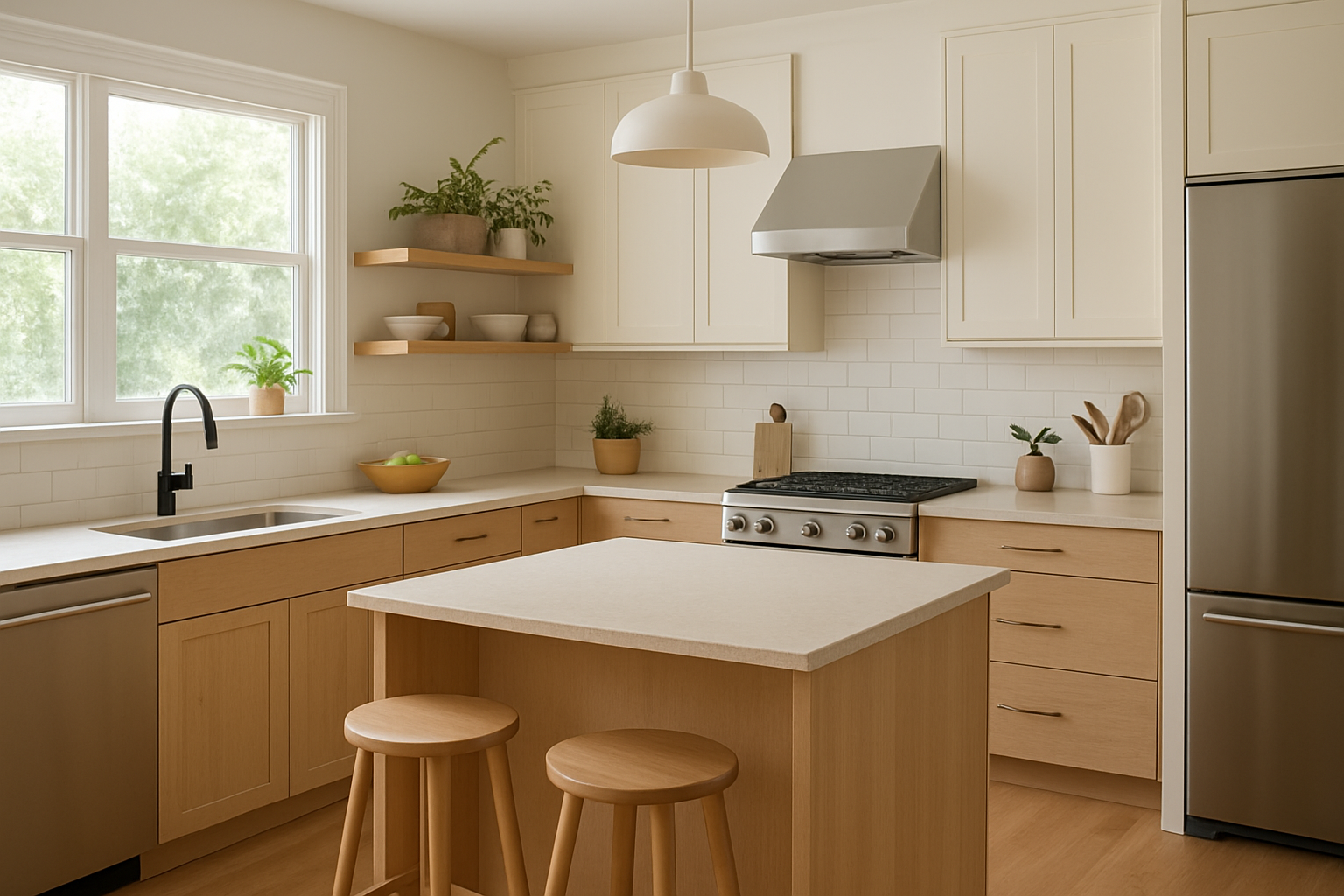
Introduction: Why the Kitchen Is the Heart of the Home
A kitchen is much more than a place to cook. It is the heart of the home—a space where families gather, friends connect, and everyday routines take shape. From quick breakfasts before work to lively dinner parties, the kitchen supports both the practical and the emotional rhythms of life. That is why renovating this space is not just about upgrading appliances or replacing countertops—it’s about creating an environment that balances functionality with comfort and style.
In recent years, kitchens have evolved into open, multifunctional hubs that blend seamlessly with living and dining spaces. People now expect their kitchens to be efficient, stylish, and welcoming all at once. This shift calls for smart renovation ideas that go beyond surface-level upgrades. The goal is to craft a kitchen that feels modern yet timeless, practical yet cozy, and beautiful without sacrificing usability.
Planning with Purpose: Balancing Beauty and Practicality
Every successful kitchen renovation begins with thoughtful planning. Too often, homeowners dive straight into choosing tiles or colors without first considering how the space will be used. Before thinking about style, it’s important to ask the right questions:
- How many people typically cook at once?
- Do you want the kitchen to serve as a social space, or purely functional?
- Are you an enthusiastic home chef, or do you prefer simple meal prep?
- Is storage a constant struggle?
By identifying priorities, you can avoid costly mistakes and make design choices that truly fit your lifestyle. A beautiful kitchen that doesn’t function well quickly becomes frustrating, while an overly utilitarian kitchen can feel uninspiring. The magic lies in blending form and function—choosing finishes, layouts, and details that are both visually pleasing and practical.
Layout Ideas for Modern Kitchens
The layout is the backbone of any renovation. The way counters, cabinets, and appliances are arranged determines not only how efficient cooking will be but also how the kitchen connects to the rest of the home.
Open-Concept Kitchens
Open-concept designs continue to dominate modern homes, especially in smaller spaces. Removing walls between the kitchen, dining, and living room creates flow and makes the home feel larger. It also transforms the kitchen into a social hub, allowing the cook to interact with guests or family members without feeling isolated.
The L-Shaped Kitchen
An L-shaped layout is versatile and works well in both small and large spaces. It provides plenty of counter space and leaves room for a dining table or island. This design also allows for clear separation between cooking and prep areas, improving functionality.
Galley Kitchens
Often seen in apartments or compact homes, galley kitchens maximize efficiency by placing counters and cabinets on two parallel walls. While they can feel narrow, clever use of lighting and storage can make them stylish and surprisingly spacious.
Kitchen Islands as the Centerpiece
Adding an island is one of the most transformative renovations you can make. Islands serve multiple purposes: extra prep space, casual dining, hidden storage, and even a home office nook. With the right design, a kitchen island becomes the anchor of the room, balancing aesthetics and utility.
Smart Storage: Maximizing Cabinets, Drawers, and Hidden Spaces
One of the most common complaints about kitchens is lack of storage. Smart renovation means making every inch count, especially in smaller homes. Instead of adding more cabinets, think about how existing space can be optimized.
- Pull-out drawers in base cabinets: These make it easy to access items that usually get lost in the back.
- Vertical storage solutions: Use tall cabinets that extend to the ceiling, adding shelves for seasonal items or less frequently used cookware.
- Hidden storage in islands: Incorporate deep drawers, shelves, or even pull-out spice racks into the sides of an island.
- Corner solutions: Lazy Susans and pull-out corner drawers prevent awkward dead space.
- Open shelving: While not for everyone, open shelves create a sense of airiness and allow for creative display of dishes or decor.
Smart storage is not only about fitting more into the space—it’s about creating order, reducing clutter, and making cooking a smoother experience.
Materials That Combine Durability and Style
Renovating a kitchen involves countless choices, but materials are among the most impactful. They define both the look and the longevity of the space. A truly smart renovation balances durability with aesthetic appeal, ensuring the kitchen remains stylish for years to come.
Countertops
- Quartz: Extremely durable, non-porous, and available in a wide range of colors and patterns.
- Granite: A natural stone that adds elegance, though it requires occasional sealing.
- Butcher block: Warm, inviting, and perfect for rustic or farmhouse styles, but needs regular maintenance.
- Recycled surfaces: Eco-friendly options made from recycled glass or composite materials combine sustainability with beauty.
Cabinets
Wood remains the classic choice, but modern kitchens often feature sleek laminates, glass fronts, or even metal finishes. Mixing textures—such as wood with matte black or glass—creates visual interest and prevents monotony.
Flooring
Durability is crucial for kitchen floors, which face heavy foot traffic and frequent spills. Porcelain tiles, luxury vinyl, and hardwood are popular choices, each offering different balances of practicality and style. For eco-conscious homeowners, bamboo or cork flooring provide sustainable alternatives.
Backsplashes
Backsplashes are both protective and decorative. Subway tiles remain timeless, but bold geometric patterns, natural stone, or even stainless steel panels can create a striking focal point.
Lighting for Ambiance and Functionality
No kitchen renovation is complete without carefully planned lighting. Too often, lighting is treated as an afterthought, yet it dramatically affects both the atmosphere and usability of the space. The key is to layer different types of lighting to achieve balance.
- Task lighting: Bright, focused light is essential for food preparation areas. Under-cabinet LEDs or pendant lamps over counters ensure chopping and cooking are safe and efficient.
- Ambient lighting: This is the general illumination that makes the entire room feel warm and welcoming. Recessed ceiling lights or central fixtures help maintain even brightness throughout the kitchen.
- Accent lighting: Used to highlight design features such as open shelving, backsplashes, or glass-front cabinets, accent lighting adds personality and depth.
- Natural light: Maximizing windows or adding skylights brings freshness into the kitchen, reduces energy use, and makes the space more inviting.
Combining these layers means you can adjust the mood of your kitchen depending on the time of day or occasion—bright and practical in the morning, soft and cozy for evening meals.
Color Palettes and Finishes That Transform a Kitchen
Colors have the power to completely redefine a space. While trends come and go, the smartest kitchen renovations balance timeless palettes with touches of personality.
- Neutral bases: Whites, creams, and light grays remain popular because they create a clean, bright backdrop. They also allow other features, such as countertops or decor, to stand out.
- Bold contrasts: Black cabinets with white countertops or navy islands against light walls create a striking, modern aesthetic.
- Natural inspiration: Earthy tones like sage green, terracotta, or warm wood finishes bring an organic, calming energy to the kitchen.
- Metallic accents: Brass handles, matte black faucets, or stainless-steel appliances add sophistication and balance.
Finishes also play a crucial role. Matte cabinets offer a contemporary look, while glossy finishes reflect light and make smaller spaces appear larger. Mixing materials—such as combining wood with stone or pairing matte cabinets with glossy backsplashes—adds depth and visual richness.
Integrating Technology: Smart Appliances and Energy Efficiency
Modern kitchens are no longer just about aesthetics—they’re also becoming intelligent. Smart technology makes cooking easier, reduces waste, and enhances sustainability.
- Smart appliances: Refrigerators with inventory tracking, ovens with remote control features, or dishwashers that optimize water usage save time and energy.
- Energy-efficient choices: Induction cooktops, LED lighting, and high-efficiency appliances lower utility bills while reducing environmental impact.
- Touchless faucets and sensors: These improve hygiene and convenience, especially in busy households.
- Charging stations and built-in tech: Incorporating outlets, USB ports, or wireless charging pads into counters or islands ensures the kitchen supports modern lifestyles.
Technology should serve your needs, not overwhelm the space. The smartest renovations integrate these features seamlessly, blending innovation with timeless design.
Making the Kitchen a Social Hub
The kitchen has steadily evolved into the center of social life at home. Renovating with this in mind means designing not just for cooking, but for connection.
- Open layouts for togetherness: Removing barriers between the kitchen, dining, and living spaces encourages interaction.
- Multi-purpose islands: With seating, storage, and prep space, islands are perfect for casual meals, homework, or conversations over coffee.
- Blending indoor and outdoor spaces: Adding sliding doors or connecting to a patio extends the kitchen’s social potential, making entertaining easier.
- Comfortable seating options: A breakfast nook, bar stools at an island, or even a built-in bench can encourage people to linger.
A well-designed kitchen doesn’t just feed people—it brings them together.
A Roadmap for Your Own Renovation Without Stress
Taking on a kitchen renovation can feel overwhelming, but breaking it into clear steps helps keep the process manageable and enjoyable.
- Define your goals: Clarify whether you want a cosmetic refresh, a full remodel, or a functional upgrade.
- Set a realistic budget: Include a cushion for unexpected costs—repairs or upgrades often arise once work begins.
- Plan your layout first: Decide how you want the space to function before choosing finishes.
- Choose durable, timeless materials: Trends are fun, but prioritize features that will last.
- Think storage and organization early: Built-in solutions are much harder to add later.
- Plan lighting strategically: Incorporate layers of task, ambient, and accent lighting.
- Integrate technology where it makes sense: Choose smart features that enhance daily life, not just impress guests.
- Hire the right professionals: A skilled contractor or designer can save money in the long run by avoiding mistakes.
- Be patient with the process: Renovations take time, but thoughtful planning pays off with a kitchen you’ll love for years.
Conclusion: Blending Style, Functionality, and Comfort
A kitchen renovation is more than a home improvement project—it’s an opportunity to shape the way you live every day. The smartest kitchens are not just beautiful; they’re practical, welcoming, and designed to grow with your lifestyle. By balancing thoughtful planning, clever layouts, durable materials, layered lighting, smart technology, and social features, you can create a space that is as functional as it is inspiring.
The kitchen is the heart of the home, and with the right approach, it can be both a practical workspace and a warm gathering place. Whether you’re dreaming of sleek modern finishes, cozy rustic charm, or a perfect blend of both, the key is to design with purpose. When style and function work hand in hand, the result is a kitchen that truly transforms your home—and your daily life.
Leave a Reply